Air system efficiency improvements are shifting from isolated fixes to system-wide optimization. This guide covers five practical shifts, including variable speed drives, heat recovery, and predictive monitoring, to help buyers plan long-term energy savings.
- Variable speed drives reduce compressor energy use by matching output to actual demand.
- Heat recovery systems capture waste thermal energy for process heating or space heating.
- Predictive maintenance on leak detectors and pressure sensors prevents silent energy drain.
- Standardization of sensor data allows cross-system monitoring for early fault detection.
- Planning for grid integration and demand response helps lower operating costs during peak hours.
The current baseline for compressed air energy
Most industrial plants still run fixed-speed compressors with large, unregulated air lines. This setup treats air as a constant, high-flow utility rather than a variable process input. When a machine stops, the compressor keeps running. When a valve leaks, the pressure control valve works overtime to maintain setpoints. The result is a system that wastes energy every hour it operates.
Air system efficiency is no longer about one quick win. It is about changing how the plant treats compressed air. The goal is to match supply to demand, recover wasted energy, and monitor the system continuously. This shift requires coordination between maintenance, operations, and engineering. It also requires new tools that make invisible waste visible.
The following sections outline five shifts buyers should plan for. Each shift is grounded in practical equipment changes and process adjustments.
Shift 1: Move from fixed-speed to variable-speed compression
Fixed-speed compressors are simple and cheap to install. They are also inefficient when demand fluctuates. A machine shop that runs one press for two hours a day may still draw a large, constant air flow. The compressor cycles on and off, or runs at high load with minimal output.
Variable speed drives (VSDs) change this. A VSD adjusts the motor speed to match the actual air demand. When demand drops, the motor slows down. When demand rises, it speeds up. This reduces the energy used per cubic meter of air produced. It also reduces mechanical stress on the compressor, which can extend service life.
For buyers, the key question is not “Can we buy a variable speed compressor?” The better question is “What is the demand profile of our air usage?” If demand is stable and high, a fixed-speed unit may still be the right choice. If demand fluctuates, a VSD is a strong candidate.
When evaluating VSDs, check the following:
- The range of speeds the drive supports.
- The compressor manufacturer’s compatibility with the drive.
- The control interface, which should integrate with the plant’s existing PLC or building management system.
- The expected reduction in energy use based on the plant’s actual demand curve.
A VSD is not a magic fix. It requires proper system sizing and stable pressure control. If the air system has large leaks or poorly sized lines, the VSD will still struggle. But when the system is reasonably tight, the energy savings are significant.
Shift 2: Capture waste heat from compressors
Compressors convert electrical energy into compressed air and heat. A large portion of the electrical input ends up as heat in the motor and the compressed air. This heat is often vented to the environment through cooling towers or radiator exhausts.
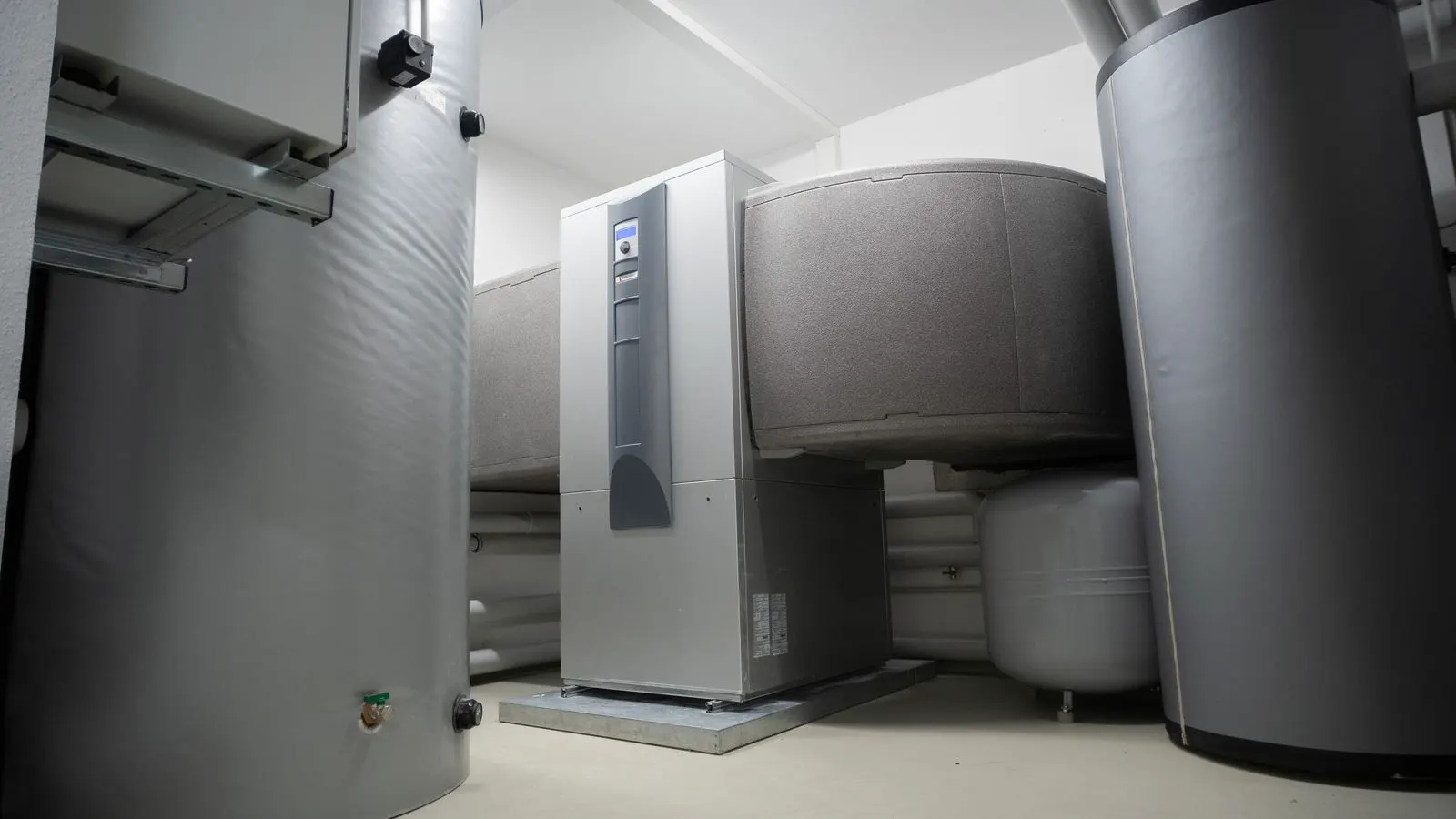
Heat recovery systems capture this waste heat for useful purposes. The recovered heat can be used for space heating, process heating, or domestic hot water. In plants that already heat water or maintain process temperatures, the savings are straightforward. The compressor is already producing heat. The system simply routes it where it is needed.
There are two main approaches:
- Air-side heat recovery, which uses a heat exchanger to warm air or water.
- Oil-side heat recovery, which captures heat from the compressor oil in oil-injected machines.
Air-side recovery is simpler and less invasive. Oil-side recovery can capture more energy but requires more maintenance and careful oil management. The choice depends on the plant’s thermal needs and the compressor type.
Buyers should check the temperature difference between the waste heat and the process requirement. If the process needs 60 degrees Celsius and the waste heat is at 45 degrees Celsius, the heat is not usable without additional heating. The temperature gap determines the practical value of the system.
Shift 3: Replace leak detection with continuous monitoring
Leak detection has traditionally been a periodic task. A technician walks the plant with a soap solution or a sound meter. They find leaks, tag them, and schedule repairs. This works, but it is reactive. A leak can develop overnight and run for days before anyone notices.
Continuous monitoring uses pressure sensors and acoustic sensors to detect small pressure drops or unusual noise. The sensors feed data to a central dashboard. When a pressure drop exceeds a threshold, the system sends an alert. This turns leak detection from a weekly chore into a real-time function.
The practical benefit is speed. A small leak that would have been found in two weeks may be flagged in minutes. This reduces the total volume of air lost. It also gives maintenance a clear priority list. The system can rank leaks by estimated energy cost, so the team fixes the most expensive ones first.
When selecting a monitoring system, consider:
- The number of sensors and their placement.
- The data retention period and reporting features.
- Integration with the plant’s maintenance software.
- The accuracy of the leak cost estimate, which should be based on measured flow and pressure, not guesswork.
A continuous monitoring system is not a one-time purchase. It requires calibration and sensor maintenance. But the cost of a missed leak can quickly exceed the cost of the monitoring hardware.
Shift 4: Standardize data across the air system
Many plants run multiple air compressors, dryers, and filters. Each unit has its own controller and display. Data is siloed. The compressor room has one screen. The machine shop has another. The boiler room has a third. This makes it hard to see the full picture.
Standardization means using a common data format and a single monitoring platform. The platform should collect data from compressors, pressure sensors, flow meters, and energy meters. It should display trends, alerts, and cost estimates in one place.
The benefit is not just convenience. A single platform allows cross-system analysis. For example, if a pressure drop appears in one area of the plant, the system can check whether a compressor in another area is struggling. This helps identify root causes faster.
Buyers should look for platforms that support open protocols. This allows future equipment to connect without replacing the entire network. It also makes it easier to share data with third-party auditors or energy consultants.
A standardized data system is a long-term investment. It requires planning, training, and change management. But it creates the foundation for the next shift.
Shift 5: Integrate air systems with grid and demand response
Energy prices vary by time of day. Peak demand often coincides with high electricity rates. If a plant can shift non-critical air production to off-peak hours, it can save money. This requires a system that can control compressor operation based on external signals.
Demand response integration allows the plant to reduce air production when the grid is under stress. The system can slow down compressors, use stored energy, or delay non-critical processes. In return, the plant may receive a financial incentive or avoid penalty fees.
This shift is more advanced. It requires a reliable energy storage system, such as a large tank or a battery system, and a control logic that can respond quickly. It also requires a clear understanding of which processes can tolerate temporary air pressure changes.
Not every plant is ready for demand response. But as energy prices become more volatile, the ability to shift load becomes a real advantage. Buyers should start by mapping their demand profile and identifying flexible processes.
Preparation checklist for buyers
The shifts described above are not all equally urgent. The order depends on the plant’s current state. A useful preparation checklist:
- Measure the current energy use. Install or verify energy meters at the compressor, the air main, and key consumers.
- Map the demand profile. Record air usage over a full week, including start, stop, and idle periods.
- Identify waste heat sources. Check compressor exhaust, oil temperature, and cooling tower output.
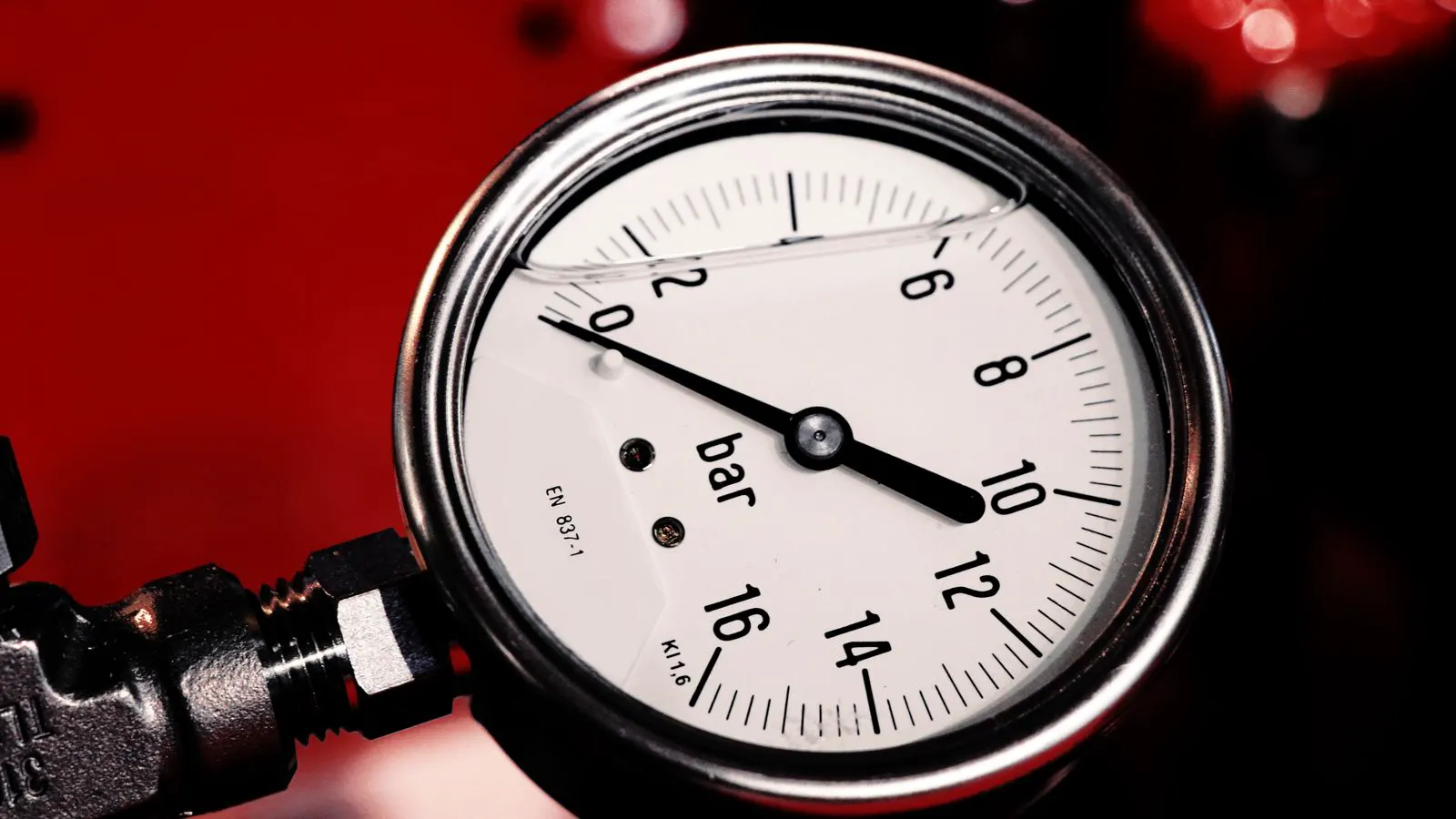
- Audit the air system for leaks. Use a continuous monitoring tool, not just a soap test.
- Evaluate control systems. Check whether existing controllers can accept external signals or data feeds.
- Plan for data standardization. Choose a common data format and a monitoring platform.
- Assess grid options. Contact the utility to understand demand response programs and peak pricing.
This checklist is a starting point. The actual implementation will depend on the plant’s size, budget, and operational constraints.
Common mistakes to avoid
Buyers often make a few predictable errors when upgrading air system efficiency. The most common are:
- Buying a variable speed compressor without checking the demand profile.
- Installing heat recovery without checking the temperature gap.
- Adding a monitoring system without a clear response plan.
- Ignoring the control system when adding new equipment.
- Treating air system efficiency as a one-time project rather than an ongoing process.
Each of these mistakes can reduce the expected savings. The goal is to make changes that fit the system, not to install the latest technology for its own sake.
The path forward
Air system efficiency is moving from a series of isolated fixes to a coordinated strategy. The technology is available. The data tools are available. The standards for monitoring and reporting are maturing. What is needed is the willingness to change how the plant manages compressed air.
The five shifts outlined here are practical. They do not require a full plant overhaul. They require planning, measurement, and a clear understanding of the trade-offs. Buyers who take these steps will be in a strong position to reduce energy costs and improve system reliability.
The future of compressed air is not about using less air. It is about using the right air, at the right time, with the least waste.
Frequently asked questions
What is the first step to improve air system efficiency?
Measure the current energy use and map the demand profile. This gives you a baseline and identifies where the biggest savings are possible.
Do variable speed drives work for all compressors?
No. They are most effective when demand fluctuates. Fixed-demand applications may still be better served by fixed-speed units. Check the demand curve before buying.
Is heat recovery worth it for every plant?
Only if the waste heat can be used for a process that needs it. Check the temperature gap between the waste heat and the process requirement.
How long does it take to see savings from a monitoring system?
Savings depend on how fast leaks and faults are fixed. A well-managed system can show measurable savings within the first quarter of operation.
Can a plant integrate air systems with grid demand response without major changes?
It requires some changes in control logic and possibly energy storage. Start by mapping flexible processes and understanding peak pricing.