This guide provides a practical design checklist for building low-consumption pneumatic systems. It covers air demand calculation, component selection, layout, and control logic to minimize waste and lower operating costs.
- Calculate actual air demand before purchasing compressors or piping.
- Use high-efficiency components and smart controls to reduce idle consumption.
- Maintain proper system pressure and leak-free connections to avoid waste.
- Document design choices to support future audits and energy savings.
Start with a Real Air Demand Calculation
Most pneumatic systems waste energy because they are sized for theoretical peak demand rather than actual usage. A single oversized compressor or excessive line pressure can drain more power than the tools require.
Before selecting any hardware, measure or estimate the air consumption of every device in the system. This includes cylinders, blow guns, grippers, nozzles, and control valves. Record the flow rate in liters per minute and the operating pressure.
- List every actuator and tool. Do not guess. Check nameplates or manufacturer data sheets.
- Determine duty cycle. A valve that operates for two seconds every minute uses far less air than one that stays open continuously.
- Calculate total flow at operating pressure. Sum the values, then apply a safety margin of 10 to 20 percent for startup transients and future expansion.
- Check compressor headroom. The compressor should meet peak demand without running continuously at 100 percent load.
A common mistake is adding a second compressor because the first one runs hot. Often, the problem is a leak or an oversized load. Fix the demand first.
Choose Components That Match the Load
Component selection directly impacts compressed air efficiency. A valve with a 40 percent higher flow capacity than needed will leak more and respond slower. A cylinder with the wrong bore size will either lack force or waste air during retraction.
- Select valves based on actual flow requirements. Use a 3- or 5-way valve if the cylinder only needs two positions. Avoid 5-way 3-position valves unless the application requires intermediate positions.
- Size cylinders for force, not diameter alone. A smaller bore with higher pressure often uses less air than a large bore at low pressure.
- Use FRL units correctly. Filter, regulate, and lubricate only where needed. Excess lubrication in pneumatic circuits causes fouling and increases friction losses.
- Choose energy-saving actuators. Double-acting cylinders waste air during retraction. Consider single-acting springs or counterbalanced cylinders if the return stroke does not need pneumatic force.
Red flags to watch for:
- Components rated far above the required flow or pressure.
- Repeated use of the largest available standard size for every application.
- Lubricators installed on lines that only carry dry air for small tools.
Layout and Piping Reduce Pressure Loss
Piping layout is a silent energy thief. Long runs, small diameters, and unnecessary bends create pressure drops that force the compressor to work harder.
- Size main lines for the total system flow. Use a velocity range of 10 to 20 meters per second to balance pressure loss and pipe cost.
- Keep branches short. Every additional meter of pipe increases friction loss and response time.
- Use 90-degree bends, not 45-degree elbows, where space allows. They offer less resistance.
- Place the receiver tank close to the main compressor and distribution point. This stabilizes pressure and reduces compressor short-cycling.
- Route lines away from heat sources. Hot air expands and reduces density, lowering effective flow.
A table comparing pipe diameters helps visualize pressure loss. The values below are general estimates for a standard steel line carrying 2,000 liters per minute. Actual values depend on pipe material and length.
| Pipe Diameter | Typical Pressure Drop per Meter | Response Time | Best For |
|---|---|---|---|
| 15 mm | High | Fast | Small tools, short branches |
| 20 mm | Moderate | Moderate | Medium-duty circuits |
| 25 mm | Low | Slower | Main distribution lines |
| 32 mm | Very Low | Slow | Large compressors, long runs |
| 40 mm | Minimal | Slow | Plant-wide main lines |
Red flags to watch for:
- Multiple 15 mm lines feeding a single 25 mm main.
- Long runs with sharp 90-degree bends instead of gradual curves.
- Receiving air through a regulator placed at the end of a long line.
Control Logic Cuts Idle Consumption
The fastest way to reduce compressed air efficiency losses is to stop using air when it is not needed. Many systems leave valves open or regulators set too high during idle periods.
- Use time-delay relays. Close air to non-essential tools after a set idle interval.
- Install flow meters at key branch points. They reveal hidden leaks and abnormal usage patterns.
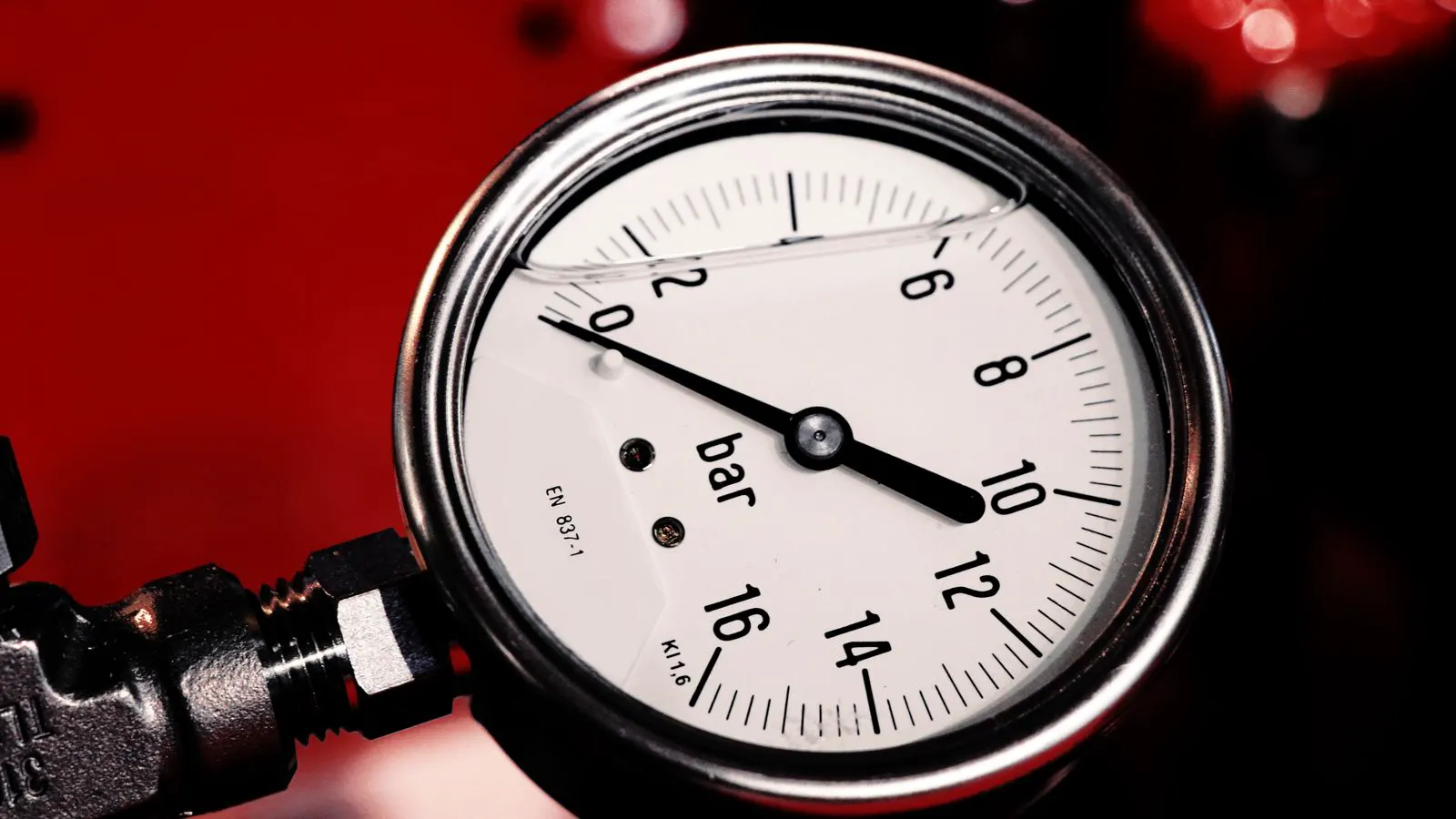
- Set regulators to the lowest pressure that meets tool requirements. Even a 1 bar reduction can save meaningful energy.
- Automate shutdown. If a machine is off, its air supply should be off. Use interlocks tied to the main control system.
- Use proportional valves for precision tasks. They modulate flow instead of opening fully, which reduces waste.
Red flags to watch for:
- Regulators set to factory defaults without verification.
- Valves that remain open during machine maintenance or idle periods.
- No method to track air usage by line or machine.
Maintenance and Leak Control
A system that was designed efficiently will degrade without proper maintenance. Leaks are the most common cause of rising energy bills in existing plants.
- Perform a quarterly leak check. Use a leak detection fluid or ultrasonic detector on fittings, valves, and cylinders.
- Replace worn O-rings and seals. A single leaking fitting can waste hundreds of liters per hour.
- Keep the receiver tank dry. Drain condensate regularly. Moisture corrodes valves and increases friction.
- Lubricate only where specified. Over-lubrication clogs ports and reduces valve speed.
- Monitor compressor performance. Track power draw per kilowatt-hour of air produced. A rising trend indicates wear or inefficiency.
Red flags to watch for:
- Hissing sounds around fittings or valves.
- Oil mist in the air supply.
- Compressors running longer than their normal duty cycle.
- No documented maintenance schedule.
Documentation and Future Proofing
A well-designed system includes a clear record of its configuration. This supports energy audits, troubleshooting, and future upgrades.
- Create a P&ID (Piping and Instrumentation Diagram). Show lines, valves, regulators, and flow meters.
- Record component data sheets. Include flow ratings, pressure limits, and duty cycles.
- Note the design pressure and maximum flow. This prevents oversizing during future modifications.
- Track energy costs per month. Compare them with production output to spot trends.
- Plan for upgrades. Leave space for flow meters or smart controllers that can be added later.
A design checklist is a living document. Update it after each major change or maintenance cycle. This ensures that compressed air efficiency remains a design priority, not an afterthought.
Final Review Before Commissioning
Before the system goes live, run a final checklist to catch errors that can waste energy.
- Verify that the compressor meets the calculated peak demand without running continuously.
- Check that all regulators are set to the minimum required pressure.
- Confirm that air is not flowing to idle tools or circuits.
- Test the shutdown logic. Ensure air stops when machines are off.
- Inspect all connections for leaks.
- Review the documentation. Ensure the P&ID and data sheets are accurate.
If any item fails, fix it before turning the system on. The cost of a few hours of testing now is far lower than the energy waste that accumulates over months of operation.
Frequently asked questions
How much energy can you save by right-sizing components?
Right-sizing components can significantly reduce air consumption. A valve or cylinder that is too large may waste air during retraction or leak more. Matching the load to the component size is one of the most effective ways to improve compressed air efficiency.
What is the first thing to check if a system uses too much air?
Start with a leak check. Leaks are the most common cause of excessive consumption. After fixing leaks, review component sizing and regulator settings. These two steps usually resolve the majority of inefficiencies.
Do I need a receiver tank in every pneumatic system?
A receiver tank is not always necessary, but it helps stabilize pressure and reduce compressor short-cycling. For systems with variable demand or long pipe runs, a tank is recommended. For small, steady-load circuits, it may be omitted.
How often should I check for leaks?
Check for leaks at least quarterly in active systems. Increase the frequency if you notice rising energy costs or hear hissing sounds. Use a leak detection fluid or an ultrasonic detector for thorough checks.
Can I improve efficiency without replacing the compressor?
Yes. You can improve efficiency by reducing leaks, lowering regulator pressure, shutting off idle air, and right-sizing components. These changes often yield larger savings than upgrading the compressor alone.