Pneumatic diagnostics now rely on IoT sensors, condition monitoring, and data platforms to predict failures before they occur. This article covers the shifts buyers should plan for and how to prepare their maintenance teams for smarter, data-driven asset management.
- Pneumatic diagnostics are moving from periodic manual checks to continuous condition monitoring.
- Predictive maintenance requires reliable data, not just sensors. Poor data quality undermines the whole program.
- Buyers should prepare by standardizing sensor placement, training maintenance staff, and integrating data into existing CMMS or ERP systems.
How Pneumatic Diagnostics Are Changing
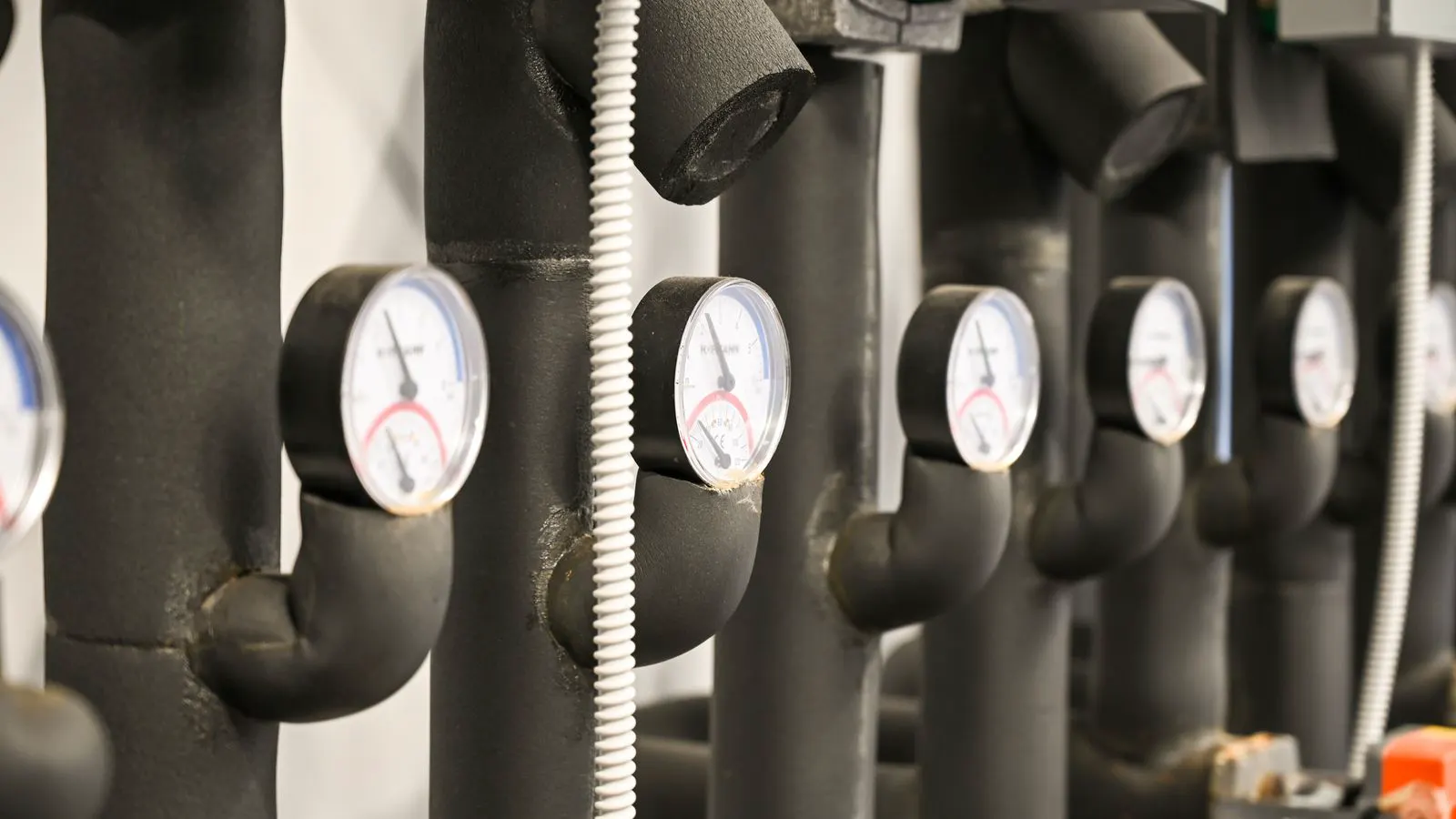
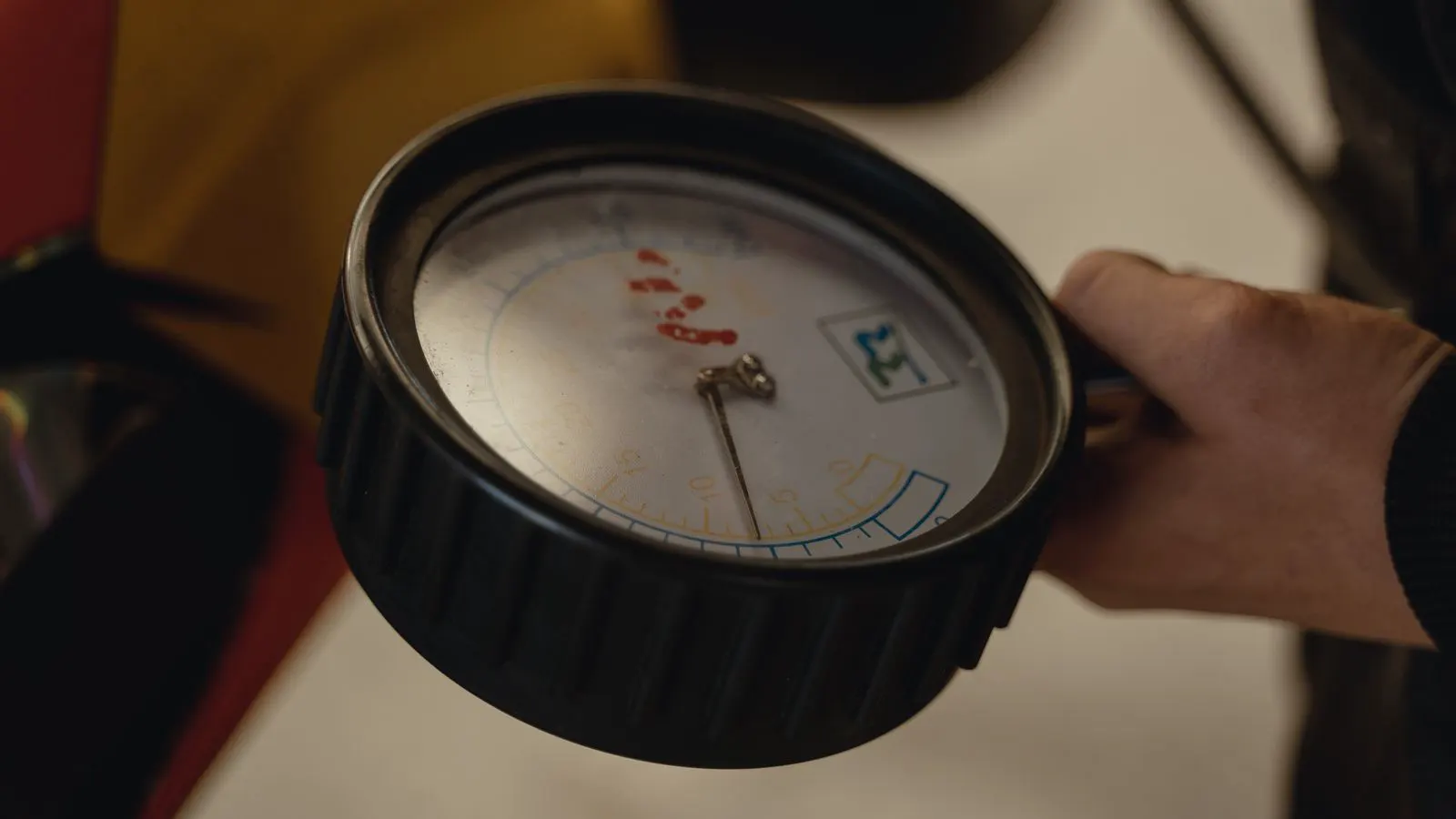
Pneumatic systems have long been maintained through scheduled inspections and reactive repairs. Technicians checked gauges, listened for leaks, and replaced parts after failures. That approach still works for many plants, but it leaves a lot of uncertainty. A compressor that is beginning to lose efficiency can run for weeks before a visible failure. An actuator that is losing internal seal integrity may show no external leak until the final stroke.
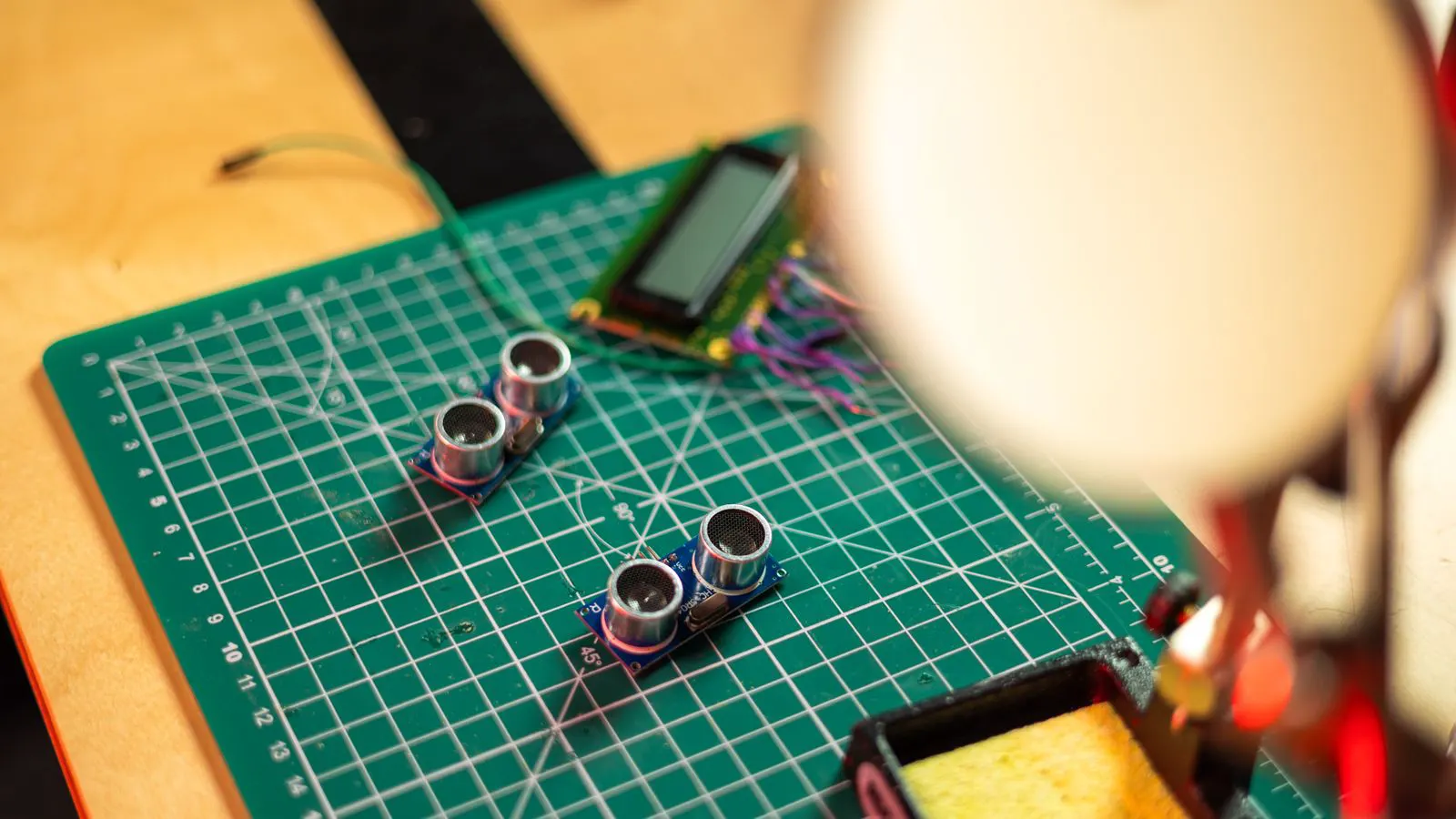
Pneumatic diagnostics are changing because sensors and data platforms make it possible to watch these assets continuously. Instead of waiting for a pressure drop on a gauge, a maintenance team can track small deviations in pressure, flow, temperature, and vibration. These small shifts often point to developing problems long before a full failure. The goal is not to replace every manual check. The goal is to use data to focus attention where it matters most.
This shift is practical. A plant with hundreds of pneumatic actuators and valves cannot manually inspect every component every week. Condition monitoring gives engineers a way to prioritize. It also reduces surprise downtime, which is often more expensive than the cost of a replacement part.
What Condition Monitoring Adds to Air System Management
Condition monitoring in pneumatic systems is broader than simply reading a pressure gauge. It includes tracking multiple signals that indicate how an asset is behaving over time. Common signals include pressure, flow rate, temperature, vibration, and acoustic emissions. Each signal tells a different story.
Pressure data can reveal a slow internal leak, a clogged filter, or a compressor that is not holding charge. Flow data helps identify a valve that is not opening fully or a cylinder that is dragging. Temperature changes can point to friction, poor lubrication, or a failing seal. Vibration data, especially from compressors and motors, can show imbalance, bearing wear, or misalignment.
The value comes from combining these signals. A single reading may be normal. A pattern across several readings may be the warning. For example, a compressor may show a steady rise in discharge temperature over several days. That trend may indicate a worn valve, a dirty oil filter, or a developing bearing issue. If the team only checks the temperature once a month, the problem may appear as a sudden failure. If the data is logged continuously, the trend gives time to plan a repair.
Condition monitoring also supports better maintenance records. When a failure occurs, the data history can show what happened before the breakdown. That record helps the team avoid repeating the same problem. It also helps when selecting replacement parts. A component that failed after a long period of stress may need a different service life setting than one that failed after a single shock event.
The Five Shifts Buyers Should Plan For
The move toward predictive maintenance is not just a technology upgrade. It changes how maintenance teams work, how data is handled, and how decisions are made. Buyers should plan for several shifts.
1. From Reactive Repair to Trend-Based Repair
The first shift is the move from fixing a problem after it appears to identifying a trend before it becomes a failure. In a reactive setup, a technician responds to a downed actuator or a low-pressure alarm. In a trend-based setup, the team sees a slow decline in performance and schedules work during a planned window.
This shift requires a change in mindset. Maintenance staff must be comfortable with small deviations that do not immediately stop production. They must also understand that some trends are normal. Seasonal changes, load variations, and normal wear can all affect sensor readings. The team needs to learn what the baseline is for each asset before it can spot a real problem.
2. From Manual Checks to Continuous Monitoring
The second shift is the move from periodic manual checks to continuous monitoring. A pressure gauge gives a snapshot. A sensor with data logging gives a history. That history is what makes diagnostics possible.
This shift changes the role of the technician. Instead of walking the plant every week to take readings, the technician can review alerts and trends on a screen. The physical inspection does not disappear. It becomes more targeted. The technician checks the component that the data flagged, rather than checking everything.
This also changes the role of the engineer. The engineer spends more time reviewing data quality, setting thresholds, and correlating sensor signals with equipment performance. The work becomes more analytical, but it also becomes more efficient.
3. From Isolated Data to Connected Data
The third shift is the move from isolated data to connected data. A sensor on one actuator is useful. A network of sensors across a plant is more powerful. When data from multiple points is combined, the team can see how a problem in one part of the system affects another.
For example, a pressure drop at a valve may be caused by a clogged filter upstream. A vibration issue on a compressor may be related to a loose mount or a worn coupling. A temperature rise on a motor may be connected to a failing bearing. When these data points are connected, the team can trace the cause more quickly.
This shift requires infrastructure. Sensors must be powered, connected, and managed. Data must flow to a central platform where it can be reviewed. The infrastructure can be simple or complex, depending on the size of the plant. Even a small network of a few sensors can provide value if the data is used correctly.
4. From Parts Replacement to Asset Health Management
The fourth shift is the move from replacing parts on a schedule to managing the health of the entire asset. A scheduled replacement may be simple, but it can be wasteful. A part may still have useful life left. It may also fail before the scheduled date.
Asset health management uses data to decide when a part should be replaced. If the data shows that a seal is wearing slowly, the team can plan a replacement during a planned shutdown. If the data shows a sudden change, the team can investigate immediately. This approach reduces unnecessary replacements and reduces unexpected failures.
This shift also changes how spare parts are managed. Instead of keeping a large inventory of common parts, the team can hold fewer parts and order replacements when the data indicates a need. This reduces storage costs and reduces the risk of parts sitting unused.
5. From Intuition to Data-Backed Decisions
The fifth shift is the move from intuition to data-backed decisions. Experienced technicians have a strong sense of how a system should behave. That intuition is valuable, but it is limited by memory and experience. Data provides an objective record.
This shift does not replace experience. It supports it. A technician can use data to confirm a suspicion or to find a pattern they did not notice before. An engineer can use data to test a hypothesis about a failure. The result is a more confident decision.
This shift also improves communication. When a team proposes a repair, they can point to the data that supports it. When a vendor recommends a part, the team can compare it against the performance history. The conversation becomes more factual and less argumentative.
What to Look For When Selecting Pneumatic Diagnostics Solutions
When selecting pneumatic diagnostics solutions, buyers should focus on data quality and integration. The sensor is only as good as the data it produces. A low-cost sensor may provide a reading, but if the reading is noisy or inaccurate, it will not help the team make decisions.
Sensor Placement and Signal Quality
Sensor placement matters. A pressure sensor placed at the compressor outlet gives a different picture than one placed at the actuator. A vibration sensor placed on a motor housing gives a different picture than one placed on a pipe. The team needs to place sensors where they can capture the signal that matters.
Signal quality is also important. Sensors should be protected from vibration, moisture, and heat. A sensor that is exposed to harsh conditions may give unreliable readings. A sensor that is not calibrated may drift over time. The team should check calibration intervals and replace sensors when they no longer meet specifications.
Data Platform and Integration
The data platform is where the value is realized. A good platform should allow the team to view data in a clear format, set alerts, and compare trends over time. It should also integrate with existing systems. If the plant uses a CMMS, the data should flow into that system. If the plant uses an ERP, the data should be available for reporting.
Integration is more than a technical detail. It changes how the team works. If the data lives in a separate system, the team must log in to another screen to check it. If the data flows into the CMMS, the team can see it alongside work orders and maintenance history. That makes the data part of the daily workflow.
Maintenance Staff Training
The most common failure in predictive maintenance programs is not the technology. It is the people. If the maintenance staff do not understand the data, they will ignore it. If they do not trust the data, they will fall back to their old habits.
Training is a must. The team needs to understand what each signal means, how to interpret trends, and how to act on an alert. They also need to understand the limitations of the data. A sensor can fail, a connection can drop, and a reading can be wrong. The team must know how to verify a reading before acting on it.
How to Prepare Your Pneumatic Assets for Predictive Maintenance
Preparing for predictive maintenance is a step-by-step process. The first step is to identify the assets that matter most. Not every component needs a sensor. A plant may have hundreds of pneumatic actuators, but only a few are critical to production. The team should focus on the assets that cause the most downtime when they fail.
The second step is to define the baseline. Before the team can spot a problem, it needs to know what normal looks like. This means collecting data during stable operation and understanding the typical range for each signal. The baseline should be reviewed over time, because normal conditions can change as the plant ages or as processes change.
The third step is to set thresholds and alerts. The team should define when a reading is normal, when it is a warning, and when it requires action. These thresholds should be based on the data, not guesswork. They should also be reviewed regularly, because the system and the operating conditions may change.
The fourth step is to integrate the data into the existing maintenance workflow. The data should not sit in a separate dashboard. It should be part of the work the team already does. If a sensor flags an alert, the team should be able to open a work order, assign a technician, and track the repair. That integration is what turns data into action.
The fifth step is to measure the results. Predictive maintenance should reduce unplanned downtime, extend component life, and improve maintenance planning. The team should track these metrics over time. If the program is not delivering results, the team should review the data, the thresholds, and the workflow.
A Practical Example: Monitoring a Pneumatic Actuator
Consider a plant with a pneumatic actuator on a packaging line. The actuator operates frequently and stops production when it fails. The team installs a pressure sensor at the actuator inlet and a flow sensor on the supply line. They also add a small vibration sensor on the actuator housing.
Over the first few weeks, the team collects baseline data. The pressure stays within a narrow range. The flow is steady. The vibration is low. After a few months, the team notices a small rise in pressure at the start of each stroke. The flow is slightly lower than before. The vibration is still normal.
The team reviews the data and compares it to the baseline. The pressure rise suggests a slight restriction. The lower flow suggests a partial blockage. The team inspects the actuator and finds a small amount of debris in the inlet filter. They clean the filter and replace the seal. The data returns to the baseline.
If the team had not monitored the data, they might have replaced the entire actuator. Or they might have missed the problem until the actuator failed. The monitoring saved time and cost. It also gave the team a record of the failure mode, which helps them prevent it in the future.
Common Mistakes to Avoid
The first mistake is buying sensors without a plan. A sensor without a clear purpose is just noise. The team should know what signal they want to capture and how they will use it.
The second mistake is ignoring data quality. A sensor that is not calibrated or protected from the environment will give unreliable readings. The team should check the sensors regularly and replace them when needed.
The third mistake is not training the staff. If the team does not understand the data, they will not use it. Training is a must, not an option.
The fourth mistake is not integrating the data. If the data lives in a separate system, the team will not use it. The data should be part of the workflow.
The fifth mistake is not measuring results. If the team does not track the outcomes, they will not know if the program is working. They should measure downtime, repair cost, and component life over time.
Final Thoughts
Predictive maintenance in pneumatic systems is moving from a concept to a practice. The technology is available, and the value is clear. The shift is not about replacing people with machines. It is about giving people better information. With reliable data, maintenance teams can plan repairs, reduce downtime, and extend the life of their assets.
The key is to start small, measure results, and scale what works. A plant does not need to instrument every component. It only needs to instrument the ones that matter. The goal is not to collect data for its own sake. The goal is to use data to make better decisions. That is the practical future of pneumatic diagnostics.
Frequently asked questions
What is the difference between condition monitoring and predictive maintenance?
Condition monitoring is the process of collecting data on an asset's performance. Predictive maintenance uses that data to predict when a failure is likely and to plan a repair before it happens.
Do I need expensive IoT sensors to start predictive maintenance?
No. A small network of basic pressure, flow, or vibration sensors can provide value. The key is to place them where they capture the signal that matters and to use the data correctly.
How do I know if my pneumatic system is ready for predictive maintenance?
Start by identifying the assets that cause the most downtime when they fail. If you can define a baseline for those assets and collect data over time, you are ready to begin.
What is the biggest challenge when implementing predictive maintenance?
The biggest challenge is usually not the technology. It is getting the maintenance team to trust and use the data. Training and integration are the most common failure points.
Can predictive maintenance reduce the number of spare parts I need?
Yes. When you can predict when a part will fail, you can hold fewer spares and order replacements when the data indicates a need. This reduces storage costs and the risk of parts sitting unused.