Low air pressure in a pneumatic system leads to system failure by preventing actuators from completing their stroke, causing valves to misbehave, and triggering electrical safety interlocks. Understanding pressure loss helps engineers select components with correct working ranges.
- Insufficient supply pressure prevents pneumatic cylinders from reaching full extension or retraction, which halts mechanical cycles.
- Low pressure causes solenoid valves to fail to open fully, leading to intermittent actuation and inconsistent cycle times.
- Electrical safety circuits often shut down when pressure falls below set thresholds, preventing machinery from operating.
- Component selection requires matching minimum and maximum working pressure ranges to the actual system supply.
What Happens When Supply Pressure Drops
When a pneumatic system receives less air pressure than its components are designed to handle, the entire cycle slows or stops. A cylinder that needs a certain force to move a load will stall if the supply pressure falls below the required level. The air volume may still reach the cylinder, but the pressure inside is too low to generate the necessary force. This is the most direct mechanical consequence of low air pressure.
The problem often starts upstream. A compressor may be undersized for the demand, or a filter may be clogged, or a regulator may be set too low. In all cases, the downstream components see less energy than they expect. The symptom appears at the point of use, but the cause is usually in the air preparation unit or the supply line.
How Low Pressure Affects Pneumatic Cylinders
A pneumatic cylinder converts air pressure into linear force. The force depends on the pressure and the piston area. If the pressure drops, the force drops in direct proportion. A cylinder that normally pushes a gate open with a comfortable margin may struggle against friction and load when the supply pressure falls. It may move slowly, stop halfway, or reverse direction if the opposing force exceeds the reduced cylinder force.
This partial stroke failure is one of the most common reasons for system failure. The cylinder does not reach the switch position that signals completion of the cycle. The controller keeps the valve energized, waiting for a signal that never arrives. The cycle hangs in a false state. Operators notice a machine that starts but never finishes.
The air seal inside the cylinder also weakens at low pressure. The piston ring or wiper does not create a tight seal against the bore. Air leaks past the piston, reducing the effective force even further. Over time, this condition accelerates wear. The cylinder may work fine at full pressure but fail intermittently when the supply dips.
How Low Pressure Affects Valves and Actuators
Solenoid valves rely on a pressure differential to hold their spool in the correct position. When supply pressure falls, the force on the spool decreases. If the pressure is too low, the spool may not seat properly in the open position. The valve may chatter, or it may not open far enough to allow full airflow to the actuator.
This causes pressure loss downstream. The actuator receives even less pressure than the supply. The cycle becomes unreliable. One cycle may complete, the next may stall. This intermittent behavior is difficult to diagnose because the fault does not appear every time. The system works when the compressor is running at peak output and fails when other equipment draws power from the same line.
Pneumatic actuators that use a spring return also suffer. The spring force remains constant, but the air force changes. At low pressure, the spring may dominate, pulling the actuator back to its default position even when the valve is open. The operator sees the actuator move partially and then return. The cycle is incomplete.
The Electrical Consequences of Low Air Pressure
Low air pressure does not only cause mechanical problems. It triggers electrical responses in the control system. Many machines use pressure switches to monitor the supply. When the pressure falls below a set point, the switch opens a circuit. The controller receives a fault signal and shuts down the machine.
This is a safety feature, but it also causes system failure. The machine does not fail because of a broken part. It fails because the control logic decided the supply was unsafe. The operator sees an alarm on the HMI screen. The alarm says low air pressure. The root cause may be a clogged filter, a regulator set too low, or a compressor that is undersized for the peak demand.
In some systems, the pressure switch is wired in series with the main power relay. When the pressure drops, the relay drops and the machine loses power completely. The cycle stops abruptly. The next cycle may fail in the same way. The electrical consequence is a hard stop, not a gradual slowdown.
Pressure Loss and Component Selection
When engineers select pneumatic components, they must match the working pressure range to the actual system supply. A component rated for a minimum working pressure of 2 bar will not function reliably if the system often operates at 1.8 bar. The datasheet lists the minimum and maximum pressures. The minimum is not a suggestion. Below that point, the seal forces, valve spool weights, and spring returns are no longer balanced.
The air preparation unit sets the actual supply pressure. The regulator is the last point of control before the components. If the regulator is set too low, the entire downstream system operates below its minimum. If the compressor is too small, the pressure sags when multiple cylinders move at once. The selection decision must account for the worst case, not the average case.
A worked example makes this clear. A packaging machine has three cylinders that move in sequence. The compressor supplies 6 bar. The regulator is set to 5 bar. The cylinders are rated for a minimum working pressure of 4.5 bar. The system should work. But the machine also has a vacuum unit that draws air through the same line. When the vacuum unit runs, the pressure at the regulator inlet drops. The regulator cannot maintain 5 bar at the outlet. The pressure at the cylinder ports falls to 4.2 bar. The cylinders stall. The cycle fails. The fix is not to replace the cylinders. The fix is to add a separate supply line or a larger accumulator to keep the pressure above the minimum during peak demand.
How to Diagnose and Correct Pressure Issues
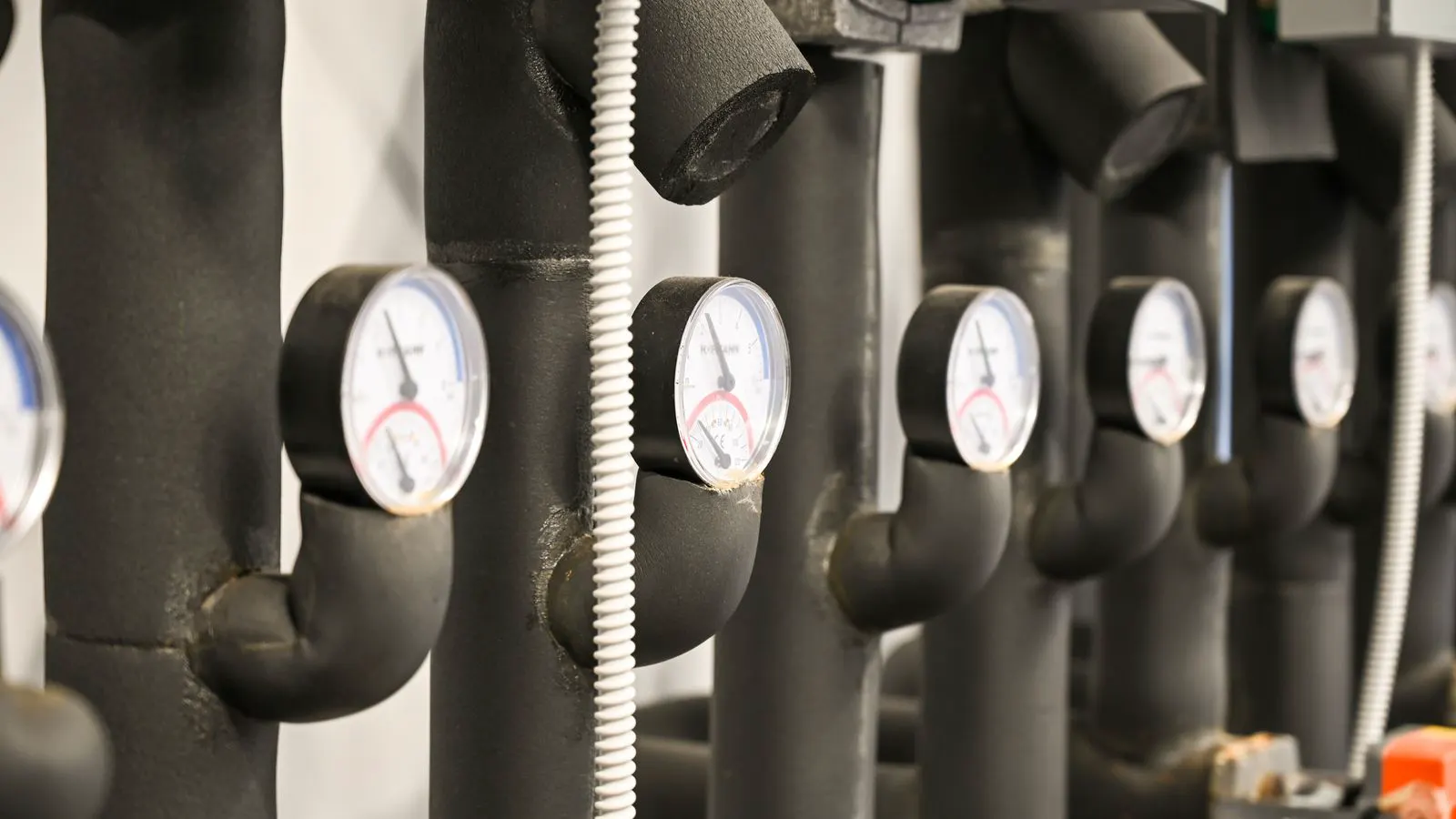
The first check is the gauge at the regulator outlet. The gauge shows the pressure that the components actually see. If the gauge reads below the minimum working pressure of the components, the problem is in the air preparation unit. If the gauge reads correctly but the system still fails, the problem is downstream. A leak in a hose, a worn cylinder seal, or a sticking valve will cause pressure loss between the regulator and the point of use.
A second check is the pressure drop across the line. Measure the pressure at the regulator outlet and at the first component. If the difference is significant, there is a restriction in the line. A clogged filter, a kinked hose, or an undersized tube will cause a pressure drop. The flow rate must be sufficient to move the actuators in the required time.
A third check is the compressor and the demand. The compressor may be adequate for the average load but not for the peak load. When all cylinders move at once, the compressor may not keep up. The pressure sags. The cycle fails. An accumulator can smooth out these peaks. It stores compressed air and releases it when the demand spikes.
Preventing System Failure From Low Pressure
The best way to prevent system failure from low air pressure is to design the system with margin. The supply pressure should be set above the maximum working pressure of the components, but below the maximum rating of the weakest part. The regulator should be able to maintain that pressure under the worst case load. The filters should be sized for the actual flow demand, not just the nominal flow.
Regular maintenance keeps the system healthy. Clogged filters are the most common cause of low pressure in running systems. The filter element should be replaced on a schedule or when the differential pressure indicator shows a drop. The regulator should be checked periodically to ensure it is set correctly. The compressor should be inspected for oil leaks and pressure switches that may be failing.
Documentation matters. The air preparation unit settings and the component pressure ratings should be recorded. When a new component is added, its minimum working pressure must be checked against the supply. When the compressor is replaced, its output capacity must be checked against the total system demand. These records prevent the kind of selection errors that cause intermittent failure.
The relationship between low air pressure and system failure is direct and mechanical. The pressure is the energy source. Without enough energy, the components cannot complete their function. The failure may appear as a stalled cylinder, a misfired valve, or a shutdown alarm. The cause is almost always a pressure below the design minimum. The correction is to restore the pressure to the correct range and to ensure the components are rated for that range.
Frequently asked questions
What is the minimum working pressure of a pneumatic cylinder?
The minimum working pressure is the lowest supply pressure at which the cylinder can reliably move its intended load to the end of its stroke. Below this pressure, the cylinder may stall or move slowly.
Can a solenoid valve operate at low air pressure?
A solenoid valve has a minimum pressure required to move the spool fully. If the supply pressure is below that minimum, the valve may not open fully, causing pressure loss downstream and incomplete actuation.
How do I know if my compressor is undersized?
If the pressure at the regulator outlet drops when multiple actuators move at once, the compressor may be undersized for the peak demand. An accumulator can help smooth out these pressure dips.
What is pressure loss in a pneumatic system?
Pressure loss is the reduction in pressure between two points in a system due to friction, leaks, or restrictions. It reduces the pressure available to the actuators and can cause them to fail.
Should I set the regulator pressure higher to prevent stalls?
Setting the regulator pressure higher than the maximum working pressure of the components is not recommended. It can damage the seals and shorten component life. The pressure should be set within the rated range of the weakest component.