Identify cylinder speed issues by checking supply pressure, flow rate, valve settings, and mechanical load. This systematic approach isolates whether the problem stems from air supply limits, component selection, or mechanical drag.
- Check supply pressure and flow capacity before blaming the cylinder itself.
- Slow stroke often indicates restricted flow or a mismatched valve rather than a failing cylinder.
- Verify mechanical load and friction during the diagnostic process.
- Document baseline speed and pressure for future comparison.
- Use a pressure gauge at the valve port to isolate upstream versus downstream problems.
A cylinder that moves slower than expected creates a cascade of problems on the production line. Parts arrive late. Cycles lengthen. The operator may suspect a failing component, but the root cause is often somewhere else. Slow stroke is a symptom, not a diagnosis. It points to a problem in the air supply, the control device, or the mechanical interface.
When you encounter cylinder speed issues, do not replace the cylinder immediately. A slow stroke can result from too little air, too much resistance, or a control setting that limits flow. The first step is to define what “slow” means. Measure the actual stroke time against the design specification. If the cylinder takes 8 seconds to extend while the design calls for 3 seconds, you have a 2.5x deviation. That number guides your investigation.
Where to Start the Investigation
Begin at the air source. The compressor and the distribution network determine how much air is available. A cylinder requires a specific volume of air to move at a target speed. If the supply cannot deliver that volume, the cylinder will move slowly or stall.
Check the main supply pressure. Many cylinders are rated for a specific operating range. If the system pressure is at the lower end of that range, force and speed will both drop. A pressure loss of even 10 percent can noticeably reduce performance, especially when the cylinder is moving against a load.
Next, check the flow capacity of the piping. Air behaves like a gas, not a liquid. It expands under pressure and contracts under vacuum. Long runs of small diameter tubing create friction losses. If the line is too small for the volume the cylinder needs, the air reaches the cylinder too late. The cylinder sees reduced pressure at the port, and the stroke slows.
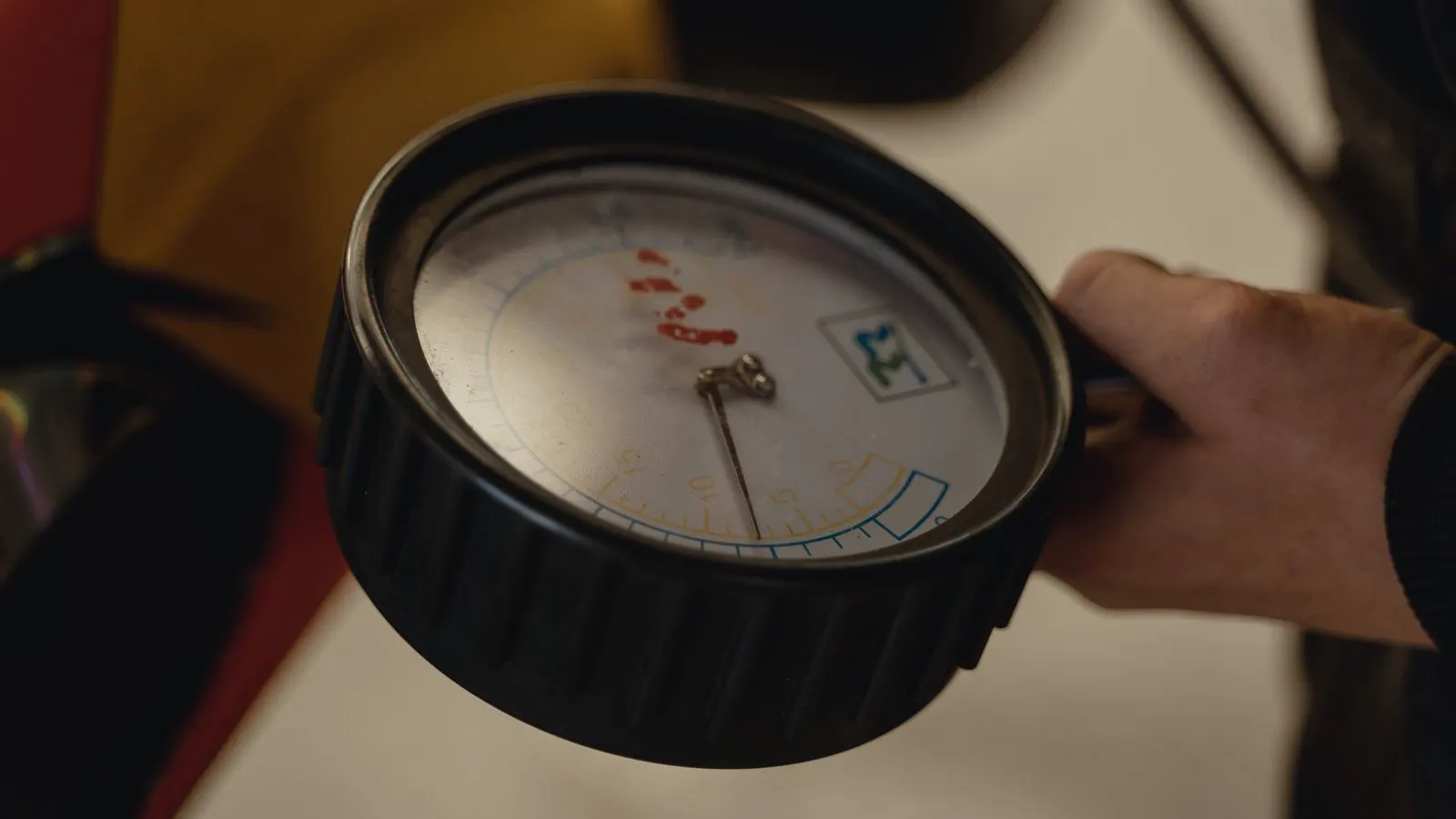
A simple test helps here. Connect a pressure gauge directly to the cylinder port while the valve is open. Compare that reading to the upstream pressure at the compressor. If the port pressure is significantly lower, you have a flow restriction somewhere between the valve and the cylinder.
The Role of the Control Valve
The control valve is the most common cause of slow actuator response. The valve determines how much air enters the cylinder and how quickly. A standard 3-way valve in a 3-position setup can restrict flow more than a 5-way valve in a 2-position setup. The physical design of the valve, its orifice size, and its flow coefficient all matter.
If the valve is sized for a smaller cylinder but used on a larger one, it will starve the bigger cylinder of air. The valve cannot open the orifice wide enough to pass the required volume. The result is a slow stroke that looks like a cylinder problem but is actually a valve problem.
Check the valve’s flow rating. Manufacturers provide flow coefficient data. For a rough check, compare the required flow to the valve’s maximum flow at the same pressure. If the required flow exceeds the valve rating, the valve is undersized.
Also inspect the valve’s internal seals. Worn or damaged seals can leak air internally. In a double-acting cylinder, a leak from the exhaust side to the supply side can cause the cylinder to move slowly in one direction and faster in the other. This asymmetry is a strong indicator of internal valve wear.
Mechanical Load and Friction
The cylinder does not move in a vacuum. It pushes against a load. If that load is heavier than expected, the cylinder needs more force. More force requires more pressure. If the pressure is fixed, the force available is fixed. If the load exceeds the available force, the cylinder may not move at all or may crawl.
Check the mechanical linkage. A misaligned rod, a binding guide, or a damaged seal can increase friction. Friction consumes pressure. The air pressure that should drive the piston is instead used to overcome mechanical resistance. The net force on the piston drops, and speed follows.
A practical test is to disconnect the load and run the cylinder empty. If the cylinder moves at normal speed without the load, the problem is mechanical. If it still moves slowly, the problem is in the air supply or control system.
Also check the rod diameter. A thicker rod increases the mechanical friction on the guide rods. If the cylinder is extended and the load is applied, the rod may bend slightly. This creates uneven contact with the guides. The friction increases as the rod moves. The cylinder slows down toward the end of the stroke.
Checking the Air Supply System
The compressor and the storage tank work together to provide air. If the tank is undersized, it cannot maintain pressure during high-demand events. The compressor may not be able to keep up with the cylinder’s air demand. As the tank pressure drops, the cylinder sees lower pressure and slows down.
Observe the pressure gauge over a full cycle. If the pressure drops significantly during the stroke and recovers after, the compressor or tank is too small for the duty cycle. The cylinder is not slow because of a component fault. It is slow because the air supply cannot sustain the required pressure.
Check the compressor’s flow rating. Compressors are often selected for pressure rather than flow. A compressor that holds pressure well may not deliver enough cubic feet per minute to drive a large cylinder quickly. The pressure gauge stays stable, but the volume is insufficient. The cylinder gets air, but not enough of it.
Look at the filters and regulators. A dirty filter restricts flow. A regulator set too low limits pressure. Both reduce the air available to the cylinder. Clean the filters. Verify the regulator setting. A small change in regulator pressure can have a large effect on cylinder speed.
Diagnostic Table for Common Symptoms
Use the table below to match symptoms to likely causes. This format helps you avoid jumping to conclusions and replace a working part.
| Symptom | Likely cause | What to do |
|---|---|---|
| Cylinder moves slowly in both directions | Low supply pressure or undersized valve | Check upstream pressure. Verify valve flow rating. Inspect piping size. |
| Cylinder moves slowly in one direction only | Internal valve leak or asymmetric load | Test valve for internal leakage. Check mechanical alignment and rod binding. |
| Cylinder stalls at the end of stroke | Exhaust restriction or end-of-stroke seal damage | Inspect exhaust valve and tubing. Check cylinder rod seal. |
| Pressure drops during stroke | Compressor or tank undersized | Measure compressor flow. Increase tank size or upgrade compressor. |
| Speed decreases over time | Worn seals or air leaks | Inspect cylinder seals. Check all fittings for leaks. |
| Cylinder jerks or hunts | Regulator instability or filter clog | Clean filter. Check regulator for pressure fluctuation. |
A Systematic Testing Procedure
Follow this numbered procedure to isolate the problem. Each step narrows the possibilities.
- Record the baseline. Measure the stroke time and the pressure at the cylinder port. Note the load weight. This gives you a reference point.
- Check the supply. Verify the compressor output pressure and flow. Confirm the regulator setting matches the design requirement.
- Inspect the valve. Look for external leaks. Test internal leakage by closing the supply and observing pressure decay.
- Disconnect the load. Run the cylinder with no external force. If speed improves, the issue is mechanical.
- Swap the valve. If a second valve of the same type is available, swap it. If speed returns to normal, the original valve is faulty.
- Check the piping. Look for kinks, collapsed tubing, or partially closed valves. Verify the line diameter is adequate for the flow requirement.
- Reconnect the load. Restore the mechanical connection. Run the cylinder under load. Compare the speed to the baseline.
This process takes time, but it prevents unnecessary part replacements. A slow cylinder is often a system problem, not a component failure.
Prevention and Maintenance
Prevention is cheaper than troubleshooting. Set up a baseline for every cylinder in the system. Document the stroke time, pressure, and flow. Check this baseline quarterly. If the speed drops by 10 percent, investigate before it becomes a production problem.
Keep the air supply clean. Replace filters on schedule. A dirty filter is a slow-acting restriction. It may not fail suddenly, but it gradually reduces flow. The cylinder slows over weeks or months. If you do not have a maintenance log, you will not notice the trend.
Size the valve correctly. Do not select a valve based on port size alone. Check the flow coefficient. A valve with a small orifice may look fine on the drawing but cannot pass the required air. When replacing a valve, match the flow rating, not just the physical dimensions.
Monitor the mechanical condition. Guide rods and seals wear over time. A slight increase in friction can reduce speed by a noticeable amount. Inspect the rod for scoring. Check the guides for wear. Lubricate as specified. A well-maintained mechanical interface keeps friction low and speed consistent.
Finally, document every change. If you swap a valve, change a regulator setting, or replace a seal, record it. When the cylinder slows again, the documentation tells you what was changed and when. This history saves hours of guessing.
Slow stroke is a solvable problem. It rarely requires a new cylinder. It requires a methodical check of pressure, flow, valve performance, and mechanical condition. Start at the air source. Work toward the cylinder. Measure as you go. The cause will reveal itself when you isolate each part of the system.
Frequently asked questions
Can a cylinder be slow if the pressure is correct?
Yes. Correct pressure does not guarantee correct speed. The cylinder also needs sufficient flow. A restricted valve or small pipe can limit flow even when pressure is at the rated level.
How do I tell if the valve is the problem?
Check for internal leakage by closing the supply and watching the pressure decay. If pressure drops quickly with the valve closed, the internal seals are worn. Also compare the valve flow rating to the required flow.
Is it possible for the cylinder seals to cause slow stroke?
Yes. Worn or damaged seals increase friction and allow air to leak internally. This reduces the effective pressure on the piston. The cylinder moves slower than expected.
Should I replace the cylinder first?
No. Replace the cylinder only after you have ruled out supply pressure, flow restrictions, valve performance, and mechanical issues. A new cylinder will not fix a problem upstream.
How often should I check cylinder speed?
Check it during routine maintenance and whenever you notice a change in cycle time. A quarterly review of baseline stroke time and pressure is a good practice for most production systems.