High energy use in pneumatic lines usually traces to air leaks, oversized lines, or poor valve control. Identify symptoms like hissing, low pressure, or high compressor load. Apply targeted fixes to reduce consumption and improve efficiency.
- Most hidden energy loss comes from small leaks and oversized piping that increase pressure drop.
- Use a structured checklist to isolate the source of high consumption.
- Replace standard valves with energy saving pneumatic valve types where possible.
- Regular maintenance of filters, regulators, and traps prevents gradual efficiency loss.
- Track compressor runtime and line pressure to verify savings after fixes.
A plant manager notices the compressor running longer than usual. The air pressure gauge looks normal, but the electricity bill keeps climbing. This is not a mystery. It is a sign that the pneumatic system is losing energy somewhere.
Excessive consumption rarely comes from a single dramatic failure. It usually builds from small losses that add up over time. A slow leak at a fitting, a line that is too long, or a regulator set too high can waste a significant amount of air.
This guide helps you find the problem and fix it. The focus is on practical steps you can take on the shop floor. You will see common symptoms, likely causes, and direct actions to reduce consumption.
What Does High Energy Use Actually Look Like
Before you open a valve or swap a part, you need to know what the problem looks like. High energy use in a pneumatic system shows up in several ways.
Watch the compressor. If it cycles more often than before, or runs almost continuously, the system is drawing more air than expected. A short cycle time is a warning sign.
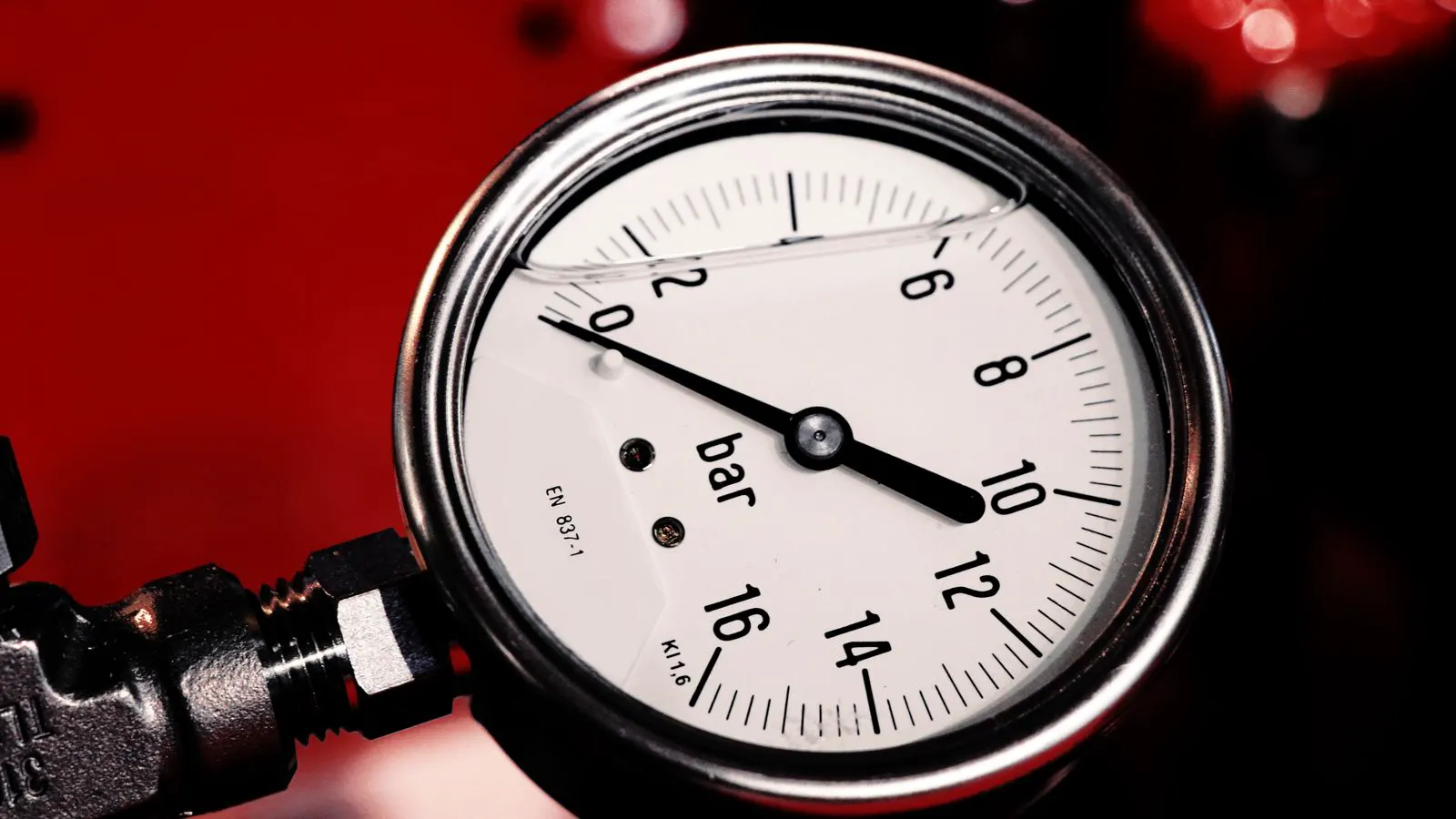
Check the pressure gauge. If line pressure is lower than it should be, the compressor works harder to maintain it. If pressure is higher than required, the compressor wastes energy pumping air that does not need to be there.
Listen to the lines. A faint hiss from a fitting is easy to ignore. It sounds like a small leak. In a large system, many small hisses together create a large energy drain.
Look at the filters. A dirty filter restricts flow. The compressor must work harder to push the same amount of air through a clogged element.
These symptoms point to different causes. The table below matches the most common symptoms to likely reasons and the actions you should take.
| Symptom | Likely cause | What to do |
|---|---|---|
| Compressor runs continuously | Air leak or high demand | Use soapy water to find leaks. Check valve operation. |
| Hissing sound at fittings | Loose or damaged O-rings | Tighten fittings. Replace seals. Inspect for corrosion. |
| Low line pressure | Blocked filter or long lines | Clean or replace filter. Shorten line runs where possible. |
| High compressor cycle time | Regulator set too high | Lower regulator to the minimum pressure the process needs. |
| Filter housing is wet | Condensate not draining | Check drain traps. Clean filters. Add automatic drains. |
| Cylinders move slowly | Inadequate line size | Increase line diameter. Reduce bends and fittings. |
Start with the symptoms you see first. The table gives you a starting point, but each system is different. A small plant and a large facility will show these signs in different ways.
Air Leaks: The Silent Killer of Efficiency
Air leaks are the most common cause of high energy use. They are also the easiest to miss.
A leak does not have to be a gash in the pipe. A small gap at a fitting, a worn O-ring, or a cracked hose can waste a lot of air. Because the pressure drop is small, the system may not show obvious problems. The compressor just works harder.
The size of the leak matters. A small leak at one fitting might waste a few liters per minute. In a system with hundreds of fittings, those small losses add up quickly.
How do you find them?
- Isolate the compressor. Turn off the power and open the main shut-off valve to relieve pressure.
- Listen. Walk the lines with the system pressurized. You can often hear a hiss before you see the problem.
- Use soapy water. Mix a few drops of dish soap with water in a spray bottle. Spray the fittings, valves, and connections. Bubbles will form where air escapes.
- Check the hardest to reach spots. Valve stems, manifold ports, and quick couplers are common leak points.
- Replace worn parts. Do not just tighten a loose fitting if the seal is cracked. Replace the O-ring or the gasket.
A small leak that is fixed today saves energy every day it is closed. The cost of the part is usually tiny compared to the cost of the wasted air.
Line Sizing and Pressure Drop
If the lines are too small, the air loses pressure as it travels. The compressor has to push harder to deliver the same flow to the end of the line. This increases energy use without improving performance.
Line length and diameter are the two main factors. A long, thin line creates more friction than a short, wide one. Bends, elbows, and T-fittings also add resistance. Every extra fitting slows the air down.
When you look at a line, ask two questions. Is it long enough? Is it wide enough?
If the line runs more than a few meters to the actuator, check the diameter. Many small pneumatic circuits use lines that are too narrow for the flow they need. A slight increase in diameter can reduce pressure drop and lower compressor load.
You do not always need to replace the whole line. You can often fix the problem by removing unnecessary elbows or shortening the run. A direct route is better than a long, winding one.
Also check the pressure drop at the point of use. Measure the pressure at the compressor outlet and at the actuator. If the difference is large, the line is too restrictive. The fix is usually a larger diameter or a shorter run.
Valve Type and Control
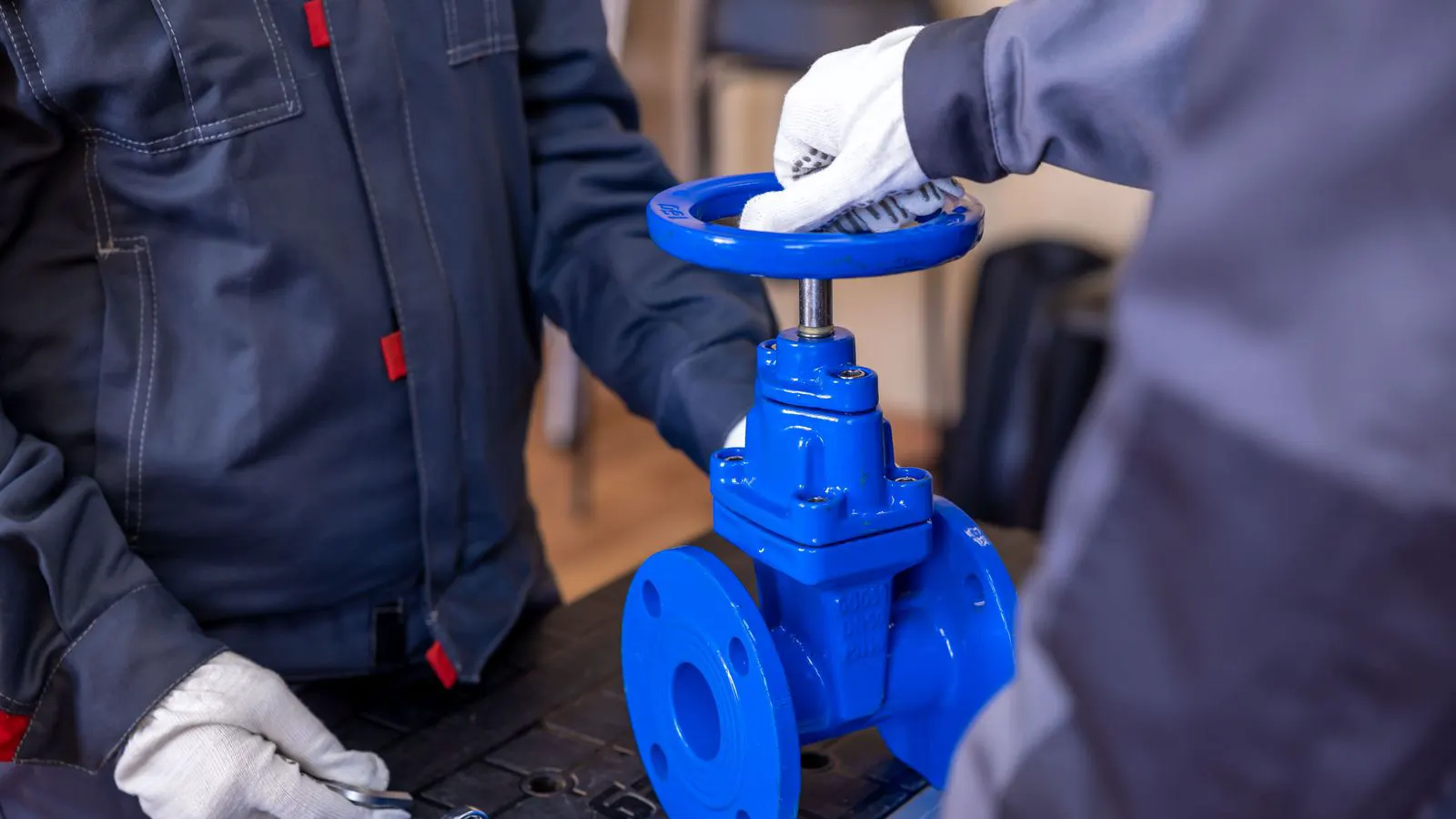
The valve is where the air enters the actuator. If the valve is not the right size or type, it wastes energy.
A standard on-off valve can be a problem. It opens fully and closes fully. It does not control the flow between those two states. For many applications, this is fine. For others, it is not.
If the application requires slow, controlled movement, a standard valve will either move too fast or stall. To compensate, operators may increase the pressure, which increases energy use.
Energy saving pneumatic valve types, such as metering or proportional valves, can reduce this waste. They control the flow precisely. The actuator moves at the speed it needs, not the speed the valve allows.
Check the valve size. If the valve is too large, the actuator may move faster than the process requires. This can cause wear and unnecessary air use. If the valve is too small, the actuator moves slowly and the system may need higher pressure to compensate.
Match the valve to the flow and pressure requirements of the specific task. Do not rely on a valve that was installed years ago without checking the current load.
Maintenance and Filter Issues
A dirty filter restricts airflow. The compressor works harder to push air through the clogged element. This increases pressure at the compressor outlet and reduces the air available to the actuators.
Filters get dirty over time. The rate depends on the air quality and the environment. In a clean shop, a filter might last a long time. In a dusty environment, it will clog much faster.
Check the filter housing. If it is wet, the drain trap is not working. Condensate in the filter can reduce its life and cause corrosion.
Clean the filter element regularly. Replace the media when it is loaded with dust or oil. A new element is cheap. The cost of a clogged filter is high.
Also check the drain traps. If they are clogged, water sits in the lines. This can corrode components and reduce efficiency. A simple mechanical trap or an automatic drain can solve the problem.
Maintenance is not just about keeping things clean. It is about keeping the system operating at its designed efficiency. A system that is well maintained uses less energy than one that is neglected.
Preventing High Energy Use
Fixing a problem is good. Preventing it is better. The goal is to keep the system running at its best efficiency.
A few simple habits can make a big difference.
- Set the pressure to the minimum required. Do not run the system at 10 bar if 7 bar is enough. Every bar of excess pressure is wasted energy.
- Perform regular leak checks. A monthly walk-through with soapy water can find small leaks before they become large.
- Keep filters clean. Check them at the start of every shift. Replace the media when it is dirty.
- Use the right line size. When you install a new circuit, calculate the required diameter. Do not guess.
- Track the compressor runtime. A simple meter or a logbook can show you if the runtime is increasing over time.
These steps are low cost and high impact. They do not require new equipment. They require attention and consistency.
A well-maintained pneumatic system uses less energy and lasts longer. The initial effort pays for itself in reduced utility bills and less wear on the compressor.
Verifying Your Savings
You will not know if your fixes worked unless you measure the result.
Before you make changes, record the baseline. Note the compressor runtime, the line pressure, and the current electricity usage. Take these readings over a few days if possible.
After you fix the leak or replace the valve, take the same measurements. Compare the numbers.
If the compressor cycle time has decreased, you have saved energy. If the line pressure is more stable, the system is working better. If the electricity bill goes down, the savings are real.
Do not rely on guesswork. A small improvement may be hard to see in a single day. Over a month, the difference becomes clear.
Keep a simple log. Note the date, the change you made, and the reading. This gives you a record of the system’s health over time. It also helps you spot trends.
If the readings get worse, something is wrong. A new leak has formed, or a filter is clogging again. The log helps you find the pattern.
Tracking is not just about energy. It is about system health. A healthy pneumatic system is efficient, reliable, and easy to maintain.
Frequently asked questions
How do I find a small air leak that I cannot hear?
Use soapy water. Spray the fittings and connections while the system is pressurized. Bubbles will appear where air escapes. This method works well for small leaks that are hard to detect by sound.
Is it better to have high pressure or low pressure in the line?
Low pressure is better. Run the system at the minimum pressure the process requires. Excess pressure wastes energy and can cause wear on components.
Do I need to replace the whole line if the pressure drop is high?
Not always. You can often fix the problem by shortening the run or removing unnecessary elbows. If the line is too small for the required flow, then a larger diameter is needed.
What is the best way to prevent leaks?
Use the right fittings and seals. Tighten connections to the manufacturer's torque. Inspect O-rings for cracks. Replace worn parts before they fail.
How much energy can I save by fixing leaks?
It depends on the size of the leak and the system. A single small leak may save a small amount. Many small leaks together can save a significant amount. Measure the compressor runtime before and after to see the real impact.