Air hose pricing and lead time depend on material, diameter, length, and fittings. Standard black hose is cheaper and faster than reinforced or high-temp types. Clear RFQs and local stock reduce procurement costs and delivery delays.
- Hose material and diameter drive the base unit price.
- Custom lengths and special fittings add cost and extend lead time.
- Standard black polyurethane hose is the most common procurement item.
- A clear RFQ listing size, material, and fittings prevents quote mismatches.
- Comparing total landed cost, not just per-meter price, gives a fairer comparison.
How material choices affect air hose price
The base price of an air hose starts with the material. Standard polyurethane hose is the default for most shop floor air distribution. It is flexible, resists abrasion, and costs less per meter than nylon or stainless braid hose. Nylon hose handles higher temperatures and chemical exposure better, which raises the unit price. Stainless braid hose is used where the air line sees vibration, heavy handling, or high-pressure cycling. It costs the most per meter and is usually reserved for specific applications.
Length changes the total cost in a non-linear way. A ten-meter run of standard hose is not exactly ten times the cost of one meter. Suppliers often price standard lengths in increments of one, three, five, or ten meters. Buying a custom length can trigger a small surcharge for cutting, crimping, and inspection. If the order is split across several materials, the supplier may charge a setup fee for each changeover.
The temperature rating matters. A hose rated for 80 degrees Celsius may cost less than one rated for 150 degrees. The higher rating usually means a thicker wall or a different polymer blend. The wall thickness also affects the weight and bending radius. A heavier hose costs more to ship and may need stronger support in the field.
How diameter and pressure rating shape the quote
Diameter is the second major price driver. Larger diameters require more raw material per meter. A 6mm hose costs less per meter than a 16mm hose. The pressure rating adds another layer. A hose rated for 10 bar may be cheaper than one rated for 20 bar. The higher pressure rating often means a thicker inner layer or a reinforced outer cover.
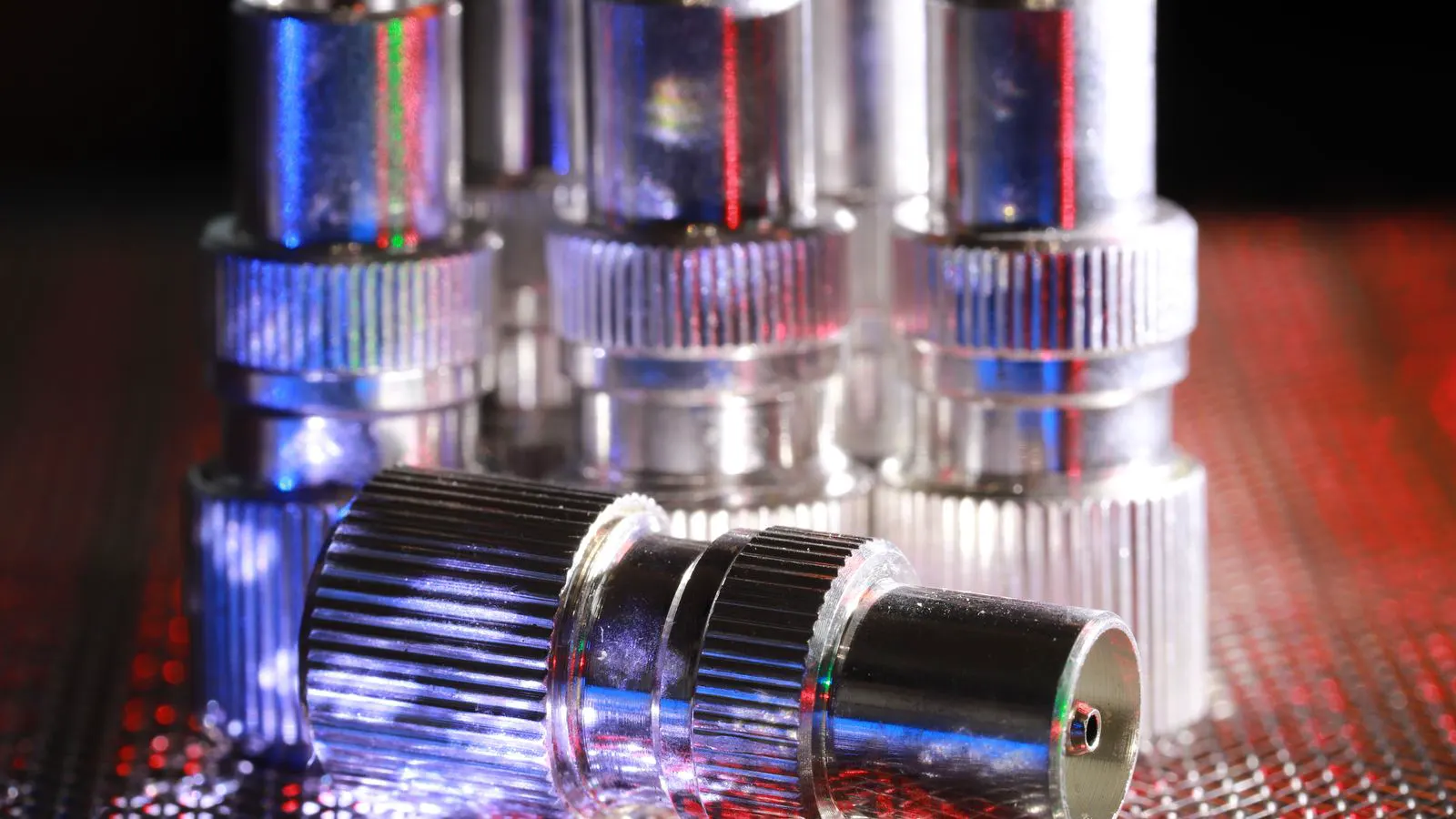
The diameter also influences the fittings. A 6mm hose uses smaller fittings, which are cheaper. A 16mm hose needs larger fittings and may require a different crimp sleeve size. If the supplier includes the fittings in the quote, the total price jumps noticeably. If the fittings are billed separately, the per-meter hose price looks lower, but the overall cost is higher.
The end fittings change the lead time as well. A standard barb fitting can be attached quickly. A crimped fitting requires a specific sleeve and tool. A threaded fitting needs a matching thread size and seal. If the buyer specifies a thread standard that the supplier does not stock, the lead time for that item increases. The supplier may need to source the fitting from a secondary vendor.
How fittings and tubing length impact delivery time
Fittings are often the hidden delay point. The hose itself is usually in stock at regional distributors. The fittings may not be. A 1/4 inch male-to-female connector is common. A 3/8 inch swivel connector or a specialized quick-disconnect is less common. If the buyer orders a connector that is not in the supplier’s standard kit, the supplier may need to wait for a shipment from a central warehouse.
The length of the hose run affects how it is packaged and shipped. A short run can go in a standard box. A long run may need to be wound on a reel or packed flat. The packaging method changes the freight cost. A long hose in a box takes up more volume in the shipping container. The freight charge is often based on weight and volume. A light but bulky hose can have a higher freight cost per meter than a dense metal tube of the same length.
Custom labeling adds time. If the buyer wants the hose labeled with a project number or a date code, the supplier must print and apply the label. This is a small task, but it adds a step to the order processing. If the label must be in a specific format, the supplier may need to check the print file before production. This can push the delivery date by a few days.
How to write a clear RFQ that cuts down on delays
A vague RFQ invites errors. If the buyer writes “need 50 meters of air hose, 1/4 inch,” the supplier must guess the material, pressure rating, and fitting type. Each guess is a chance for a mismatched quote. The buyer should specify the material, such as polyurethane or nylon. The pressure rating should be stated. If the hose will be used outdoors, the buyer should note UV resistance.
The fitting list should be separate from the hose description. For each fitting, list the part number or a clear description. “One 1/4 inch male barb on each end” is clearer than “with ends.” If the buyer needs a specific thread, such as 1/4 inch BSP or 1/4 inch NPT, that must be written out. The seal type matters. A PTFE tape seal and an O-ring seal are different. The O-ring must match the hose diameter.
The delivery address and required date should be in the RFQ. If the buyer needs the hose on the site by a certain date, the supplier can check if the lead time fits. If the date is tight, the supplier may offer air freight or expedited shipping. These options cost more. The buyer should ask for the total landed cost, including freight and any customs fees. This avoids surprise at the point of payment.
How to compare quotes fairly across suppliers
Two quotes can look different because they bundle different things. One supplier may include the fittings, crimp sleeves, and a certificate of conformity. Another may charge for each item separately. The buyer should create a line-item comparison. For each line, check the material, diameter, length, fitting type, and seal. If one quote includes a 16mm hose and the other includes a 12mm hose, the price per meter is not comparable.
The freight terms matter. A quote with a low per-meter price may have a high freight charge. A quote with a slightly higher per-meter price may include free delivery. The buyer should compare the total landed cost. The landed cost is the price of the goods plus freight and any duties. If the delivery is to a remote site, the freight cost can be a significant portion of the total.
The warranty terms should be checked. A supplier may offer a one-year warranty on the hose and fittings. Another may offer a limited warranty that excludes installation errors. The buyer should read the exclusion list. If the warranty is void when the hose is cut to length, the buyer must plan for that. The warranty terms affect the risk. A higher risk may justify a higher price.
How to reduce procurement costs without cutting corners
Buying in bulk can lower the per-meter price. If the buyer needs 100 meters of the same hose, a bulk quote may offer a discount. The discount usually applies to the hose only. The fittings may still be priced at standard rates. The buyer should ask if the discount applies to the total order or just the hose.
Standardizing on a smaller number of hose types reduces procurement costs. If the plant uses three different hose materials, the supplier may charge a setup fee for each. If the plant standardizes on one material and one diameter, the supplier can keep that item in stock. The stock item is faster to ship and cheaper to produce. The standardization also simplifies the spare parts inventory.
The buyer can reduce lead time by keeping a small buffer stock. A 10-meter coil of standard hose on the shelf covers most emergency repairs. The buffer stock should match the most common hose type. If the plant uses 6mm polyurethane hose most of the time, the buffer should be 6mm polyurethane. The buffer stock reduces the need for expedited freight when a line fails.
The RFQ should include the expected annual volume. If the buyer orders 500 meters per year, the supplier may offer a better price than if the buyer orders 50 meters. The supplier can plan production based on the annual volume. The buyer should share the volume forecast, even if it is a range. A range is better than no forecast. The supplier can reserve capacity for the buyer.
How to verify the final delivery before accepting it
The delivery should be checked against the RFQ before the goods are accepted. The buyer should count the meters of hose. The length should be measured, not just read from the label. A 10-meter hose may be marked 10 meters, but the actual length could be 9.8 meters. The tolerance is usually small, but it matters for long runs.
The fittings should be matched one by one. Each fitting should have the correct thread and seal. A missing O-ring is a common defect. The buyer should inspect the crimp sleeve. A crimp that is too tight can damage the hose. A crimp that is too loose can leak. The hose should be tested for leaks after installation. A simple pressure test with a gauge can find leaks before the line is put into service.
The documentation should be checked. The supplier should provide a packing list and an invoice. The packing list should match the delivered items. The invoice should match the quote. If there is a mismatch, the buyer should note it before signing the delivery receipt. A signed receipt is a legal document. If the buyer signs and later finds a missing item, the dispute is harder to resolve.
The delivery date should be compared with the required date. If the goods arrive three days late, the buyer should note the delay. The delay may be due to a supplier error or a shipping issue. The buyer should ask for the cause. If the delay is repeated, the buyer should review the supplier’s performance. A reliable supplier communicates delays early. A poor supplier hides delays until the last minute.
Frequently asked questions
Can I buy a shorter length of air hose to save money?
Yes, but the per-meter price may rise for custom lengths. Suppliers often charge a small surcharge for cutting and crimping non-standard lengths.
Do fittings always cost more than the hose?
No, small fittings are cheap. Large threaded fittings or quick-disconnects can cost more than the hose per meter. The total cost depends on the fitting type.
How do I know if a hose is rated for high temperature?
Check the manufacturer's data sheet. Look for the maximum service temperature. A standard polyurethane hose is usually rated for lower temperatures than nylon or stainless braid hose.
What is the best way to compare two quotes for pneumatic tubing?
Line up the material, diameter, length, fittings, and freight. Compare the total landed cost, not just the per-meter price.
Can I mix and match fittings from different suppliers?
It is possible, but it is risky. Different suppliers may use different crimp sleeve sizes or thread tolerances. A mismatch can cause leaks or a poor fit.