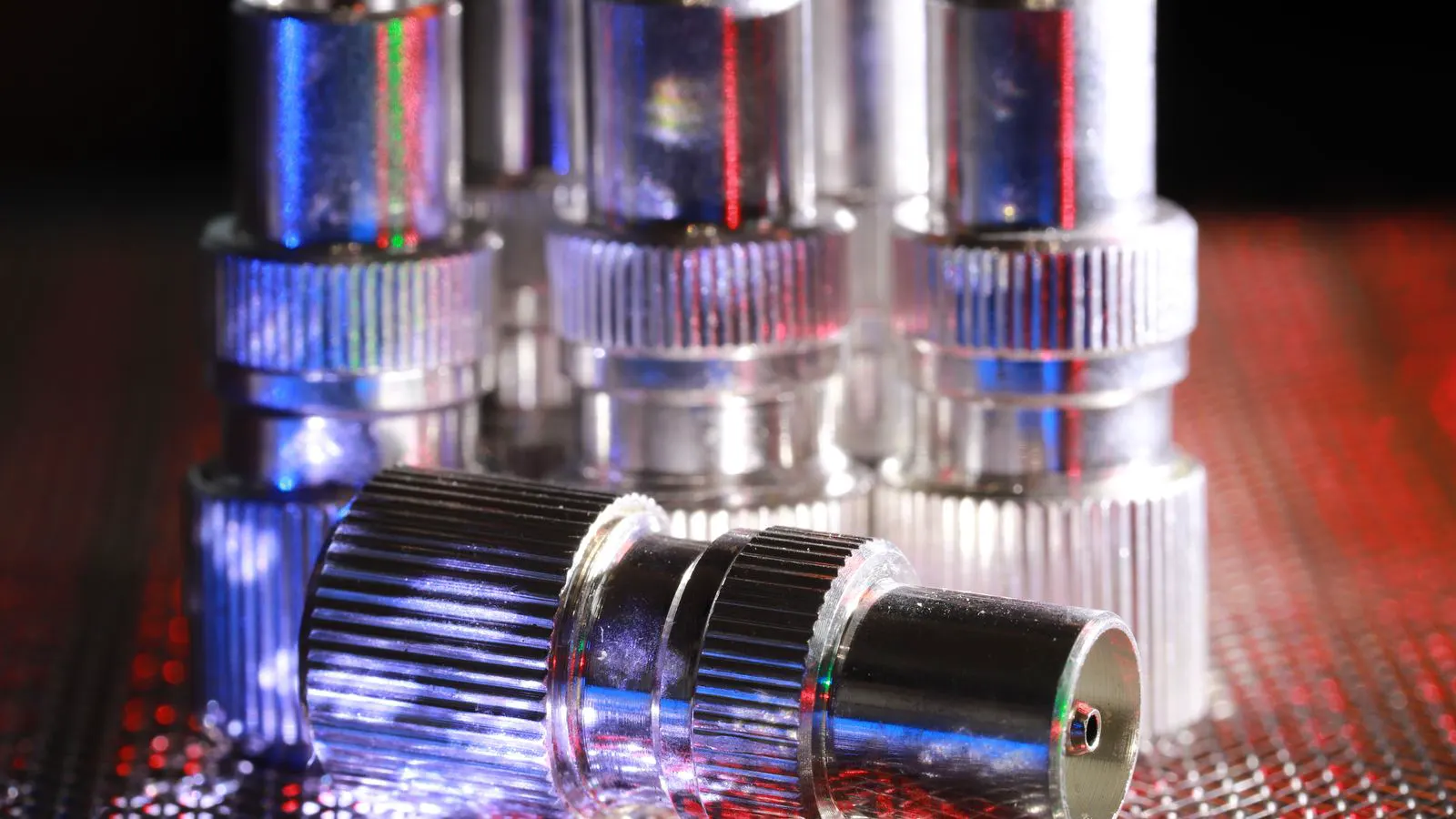
Quick coupling pneumatic fittings offer fast, tool-free connection and disconnection, making them ideal for equipment that requires frequent movement or service. Threaded fittings provide a permanent, leak-resistant connection suited for fixed piping runs. The right choice depends on whether your system demands flexibility or a stable, long-term connection.
- Quick coupling pneumatic fittings are best for equipment that moves or requires frequent disconnects.
- Threaded fittings provide a permanent connection for fixed piping runs and reduce leak risk at stationary joints.
- Select the fitting based on the location, service frequency, and expected vibration or movement in the air system.
- Match the fitting material and thread size to the tubing, valve, or cylinder being connected.
- Regular inspection of both fitting types is required to prevent air leaks.
Why Fitting Selection Matters in a Pneumatic System
A pneumatic air system relies on a network of hoses, tubes, valves, and actuators. The joints between these components determine how well the system holds pressure and how easy it is to service. The two most common pneumatic fittings are quick couplings and threaded fittings. Each serves a distinct purpose. Choosing the wrong type can lead to air leaks, difficult maintenance, or even equipment damage.
The decision is not about which fitting is universally better. It is about matching the connection to the application. A machine tool that requires a hose to be disconnected for maintenance benefits from a quick coupling. A fixed pipe run from a compressor to a filter regulator benefits from a threaded connection. Understanding the differences helps you select the right part for each joint in the system.
How Quick Coupling Fittings Work
Quick coupling pneumatic fittings are designed for fast connection and disconnection. They use a simple mechanical action. A plug or a hose end is pushed into a socket or a coupling body. A latch or a spring mechanism holds the connection in place. To disconnect, the user pulls a release tab or lever. The internal seal separates without the need for tools.
These fittings are common at the ends of hoses that connect to cylinders, valves, or machine parts. The connection is usually visible and accessible. A maintenance worker can disconnect a hose in seconds. This speed reduces downtime. It also reduces the chance of forcing a connection, which can damage seals or threads.
The primary advantage of a quick coupling is flexibility. If a machine is moved, or if a hose needs to be replaced, the quick coupling allows for a fast swap. The connection can be inspected quickly for wear. A worn seal is easier to spot at a coupling than at a threaded joint hidden in a pipe run.
How Threaded Fittings Work
Threaded pneumatic fittings are designed for permanent connections. They use a male thread and a female thread. The male thread is screwed into the female thread. A thread sealant, a tape, or an integral seal is used to prevent air from leaking past the threads. The connection is made with a wrench or a hand tool.
Threaded fittings are common in fixed piping, valve bodies, compressor outlets, and filter regulator connections. The joint is designed to stay in place for the life of the system. The pressure and the vibration in the system are managed by the tightness of the thread and the seal.
The primary advantage of a threaded fitting is stability. Once installed correctly, the connection is very reliable. It resists disconnection. It is difficult to accidentally pull a threaded fitting out of a fixed pipe run. This makes it the standard choice for long-term installations where the connection does not need to be changed.
Comparison Table: Quick Coupling vs Threaded Fittings
The table below summarizes the key differences between the two main types of pneumatic fittings.
| Option | Best for | Limitations |
|---|---|---|
| Quick coupling | Equipment that moves, frequent hose changes, service access | Higher cost per fitting, potential for seal wear, requires clean mating surfaces |
| Threaded fittings | Fixed piping, permanent valve or cylinder connections | Requires tools for installation, difficult to disconnect, thread damage risk |
| Push-to-connect fittings | Short runs, temporary connections, small diameter tubing | Limited pressure ratings, not suitable for high vibration |
| Flanged fittings | Large diameter lines, high pressure systems | Bulky, requires flange alignment, high torque for installation |
| Compression fittings | Copper or aluminum tubing, small diameter lines | Requires specific tools, sensitive to tube size, can leak if over-tightened |
When to Choose Quick Coupling Fittings
Quick coupling pneumatic fittings are the right choice when the connection needs to be made or broken often. This includes machine tools where a hydraulic or pneumatic hose connects to a spindle or a clamp. The operator or technician needs to detach the hose for maintenance or to change the tool. A quick coupling allows this to happen quickly without the risk of cross-threading or damaging a permanent joint.
They are also preferred in mobile equipment. A forklift, a palletizer, or a robot arm may have hoses that flex and move. A quick coupling at the end of the hose allows the hose to be replaced if it is damaged. The connection point is accessible, making it easy to check for leaks.
Consider a quick coupling when the connection is subject to vibration or movement. The latch mechanism absorbs some of the shock. A threaded connection in a moving hose can loosen over time, leading to leaks. The quick coupling is designed to stay connected even with minor movement.
When to Choose Threaded Fittings
Threaded pneumatic fittings are the standard for fixed installations. If a hose is connected to a valve, and that valve is mounted on a pipe, the connection between the valve and the pipe is usually threaded. The joint is not accessed during normal operation. It is only opened during major maintenance or system shutdown.
A threaded connection is also the best choice when space is limited. A quick coupling has a larger body than a simple threaded fitting. In a crowded panel or a tight pipe run, a threaded fitting takes up less room. It also has a lower profile, which reduces the chance of it being hit by a hand or a tool.
The choice of threaded fitting depends on the material and the thread standard. The thread size must match the valve or the pipe. The thread type must match the standard used in the region or the system. Mixing thread types requires adapters, which adds a potential leak point.
Material and Size Considerations
The material of the pneumatic fitting must match the system requirements. Most pneumatic systems use air, which is non-corrosive. However, some systems carry compressed air with moisture, or they operate in environments with chemical exposure. The fitting material must resist corrosion and wear.
Stainless steel is common for quick couplings. It is resistant to rust and is easy to clean. Brass is often used for threaded fittings. It is soft enough to be threaded easily, but it is also durable. Aluminum is used for fittings in lightweight systems. It is not as strong as steel or brass, but it is lighter and easier to work with.
The size of the fitting must match the tubing or the pipe. A mismatch in size will cause a leak or a poor fit. The internal diameter of the fitting must accommodate the hose. The thread size must match the port on the valve or the cylinder. A fitting checklist should verify material, size, and thread fit before installation.
Installation and Maintenance
Installation of a threaded fitting requires care. The thread must be clean and free of debris. A thread sealant or tape is applied to the male thread. The fitting is tightened with a wrench to the correct torque. Over-tightening can damage the thread or the seal. Under-tightening allows air to leak.
Installation of a quick coupling requires clean and dry mating surfaces. The hose end must be inserted fully into the coupling body. The latch must be engaged. To disconnect, the release tab is pulled, and the hose is pulled out straight. Forcing the connection or pulling the hose at an angle can damage the seal.
Maintenance of both fitting types is similar. A regular inspection for leaks is required. A drop of oil or a soapy water solution can reveal a leak. For threaded fittings, the connection should be checked after the first few uses. Thermal cycles can loosen a thread. For quick couplings, the seal should be checked for wear. A worn seal can be replaced in many designs. A damaged latch or body usually requires replacement of the fitting.
Common Mistakes in Fitting Selection
One common mistake is using a quick coupling in a fixed pipe run. The extra cost and the potential for seal wear are not justified if the connection does not need to be changed. A threaded fitting is cheaper and more reliable for that application.
Another mistake is using a threaded fitting in a moving hose. The vibration can loosen the thread, causing a leak. The seal may fail. A quick coupling is more suitable for a connection that is subject to movement.
A third mistake is ignoring the material. A brass fitting in a corrosive environment may rust. A stainless steel fitting is a better choice. A plastic fitting in a high-pressure system may deform. The material must be selected based on the pressure, the temperature, and the environment.
A fourth mistake is mismatching the thread size. An adapter is used to connect a different thread size. The adapter adds a joint. It adds a potential leak point. It adds cost. It should be avoided if possible. Select the fitting that matches the port size directly.
Final Selection Criteria
The final selection of a pneumatic fitting depends on the specific application. Ask these questions. Will the connection be disconnected? If yes, use a quick coupling. If no, use a threaded fitting. Is the connection subject to vibration? If yes, use a quick coupling or a flexible hose with a secure end. If no, a threaded fitting is sufficient.
What is the pressure rating? Both fitting types can handle high pressure. Check the rating of the specific part. What is the material? Match the fitting material to the environment. What is the size? Match the fitting size to the tubing or pipe.
By answering these questions, you can select the right pneumatic fitting for each joint in the system. The result is a reliable air distribution network that is easy to maintain and resistant to leaks.
Frequently asked questions
Can I use a quick coupling on a fixed pipe run?
Yes, but it is not recommended. A threaded fitting is more cost-effective and reliable for a fixed connection. A quick coupling is designed for connections that need to be made or broken frequently.
How do I know if my threaded fitting is leaking?
Listen for hissing or look for dust or debris around the joint. You can also use a soapy water solution or a leak detection device. If you see bubbles or hear a sound, the fitting is leaking.
What is the main difference between a quick coupling and a threaded fitting?
A quick coupling can be connected and disconnected by hand without tools. A threaded fitting requires a tool for installation and removal. A quick coupling is for flexible connections. A threaded fitting is for permanent connections.
Are quick coupling fittings more expensive?
Yes, quick coupling fittings are generally more expensive than threaded fittings. They have more parts and a more complex design. The cost is justified when the connection needs to be changed often.
Can I replace a threaded fitting with a quick coupling?
In some cases, yes. If the space allows and the thread size can be adapted, you can replace a threaded fitting with a quick coupling. However, you must ensure the adapter is rated for the system pressure. It is often easier to plan the system with the correct fitting type from the start.