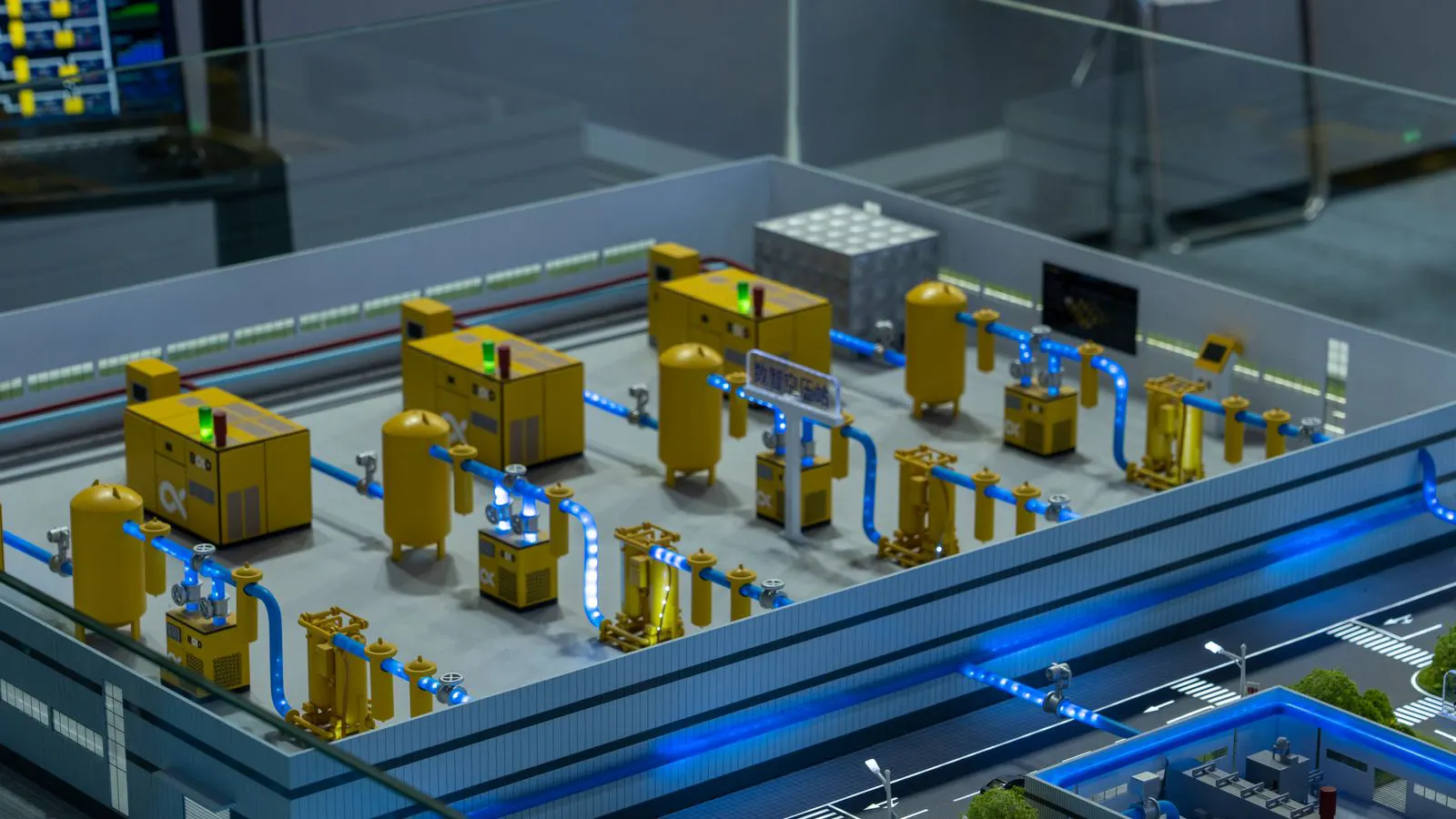
Smart air preparation units use IoT sensors to track pressure, flow, and filter status in real time. This enables predictive maintenance and deeper automation integration. Strategic buyers should prepare for data-driven decisions, modular designs, and tighter system integration.
- Smart air preparation units add digital monitoring to standard FRL components.
- Predictive maintenance reduces unplanned downtime by tracking filter load and regulator drift.
- IoT connectivity requires attention to cybersecurity and network standards.
- Buyers should plan for modular upgrades and data integration with plant systems.
Why Smart Monitoring Matters for Air Preparation Units
Air quality at the source dictates the performance of every pneumatic actuator, valve, and tool downstream. A standard air preparation unit handles filtration, regulation, and lubrication. Smart variants add electronic sensors and communication ports to that same hardware. The difference is not a new physical process. It is the ability to see what is happening inside the unit without opening a panel.
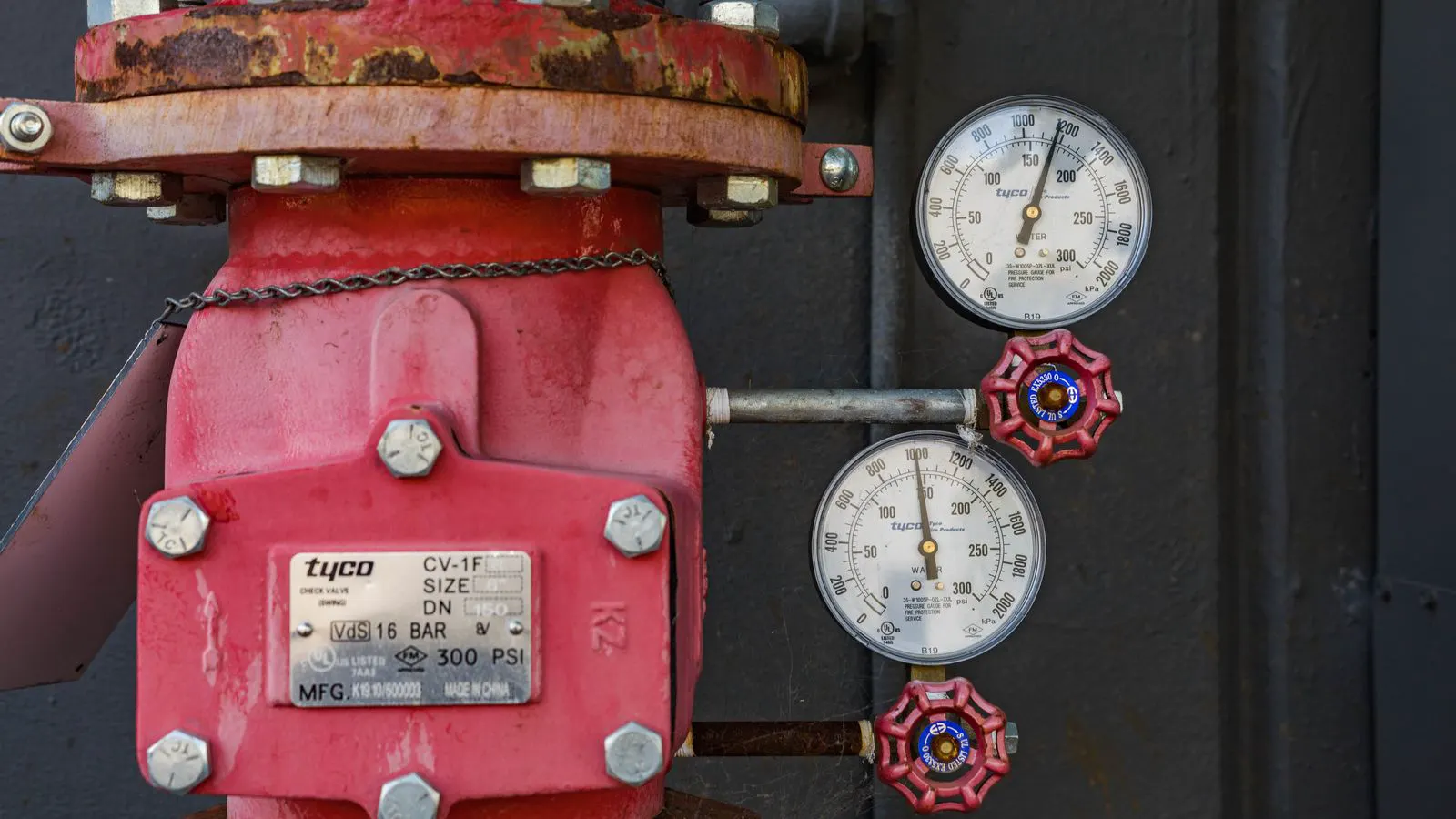
Operators used to check gauge readings at scheduled intervals. A regulator might hold pressure for months before drift became visible. A filter element might reach saturation while the differential pressure gauge barely moved. Smart monitoring changes that rhythm. It tracks pressure, flow, dew point, and filter load continuously. That data feeds into plant control systems or cloud platforms. The unit becomes a node in a larger network rather than a standalone mechanical box.
Five Shifts Buyers Should Plan For
The move toward connected air preparation is not a single product upgrade. It is a series of operational changes. Buyers should anticipate the following shifts.
1. From Periodic Checks to Continuous Data Streams
The old model relied on manual inspection. Technicians walked the plant, checked gauges, and listened for air leaks. The new model streams data to a central dashboard. This shift changes maintenance planning. Instead of replacing filters on a calendar, maintenance happens when sensor data shows the element is near capacity. This extends component life and prevents sudden pressure drops.
2. Integration with Plant Automation Systems
Smart units do not operate in isolation. They connect to PLCs, SCADA systems, or building management platforms. This allows air preparation parameters to adjust automatically. If a machine on the line demands higher flow, the regulator can pre-emptively adjust pressure. If a section of the plant is idle, the system can reduce supply to save energy. The air preparation unit becomes part of the automation logic, not just a support device.
3. Predictive Maintenance as a Standard Expectation
Predictive maintenance moves from a premium feature to a baseline requirement for critical lines. Sensors monitor micro-leaks, regulator response times, and filter saturation. Algorithms detect patterns that precede failure. For example, a slight increase in differential pressure across a filter, combined with a drop in output pressure, signals that the element needs replacement before a failure occurs. This reduces emergency repairs and extends the service life of the entire pneumatic system.
4. Cybersecurity and Network Standards
Connecting industrial equipment to a network introduces new risks. Smart air preparation units must meet cybersecurity standards. Buyers should verify that units support secure communication protocols. They should also check if the manufacturer provides firmware update processes. A compromised air unit can disrupt production or expose plant data. Network segmentation and regular software updates are now part of the maintenance plan.
5. Modular Hardware for Future-Proofing
Hardware designs are shifting toward modular platforms. Smart sensors can be added to older units or swapped out for higher resolution components. This flexibility allows plants to upgrade one function at a time. For instance, a plant might add flow monitoring first, then later integrate dew point sensors. This staged approach reduces upfront capital expenditure and aligns upgrades with specific operational needs.
How IoT Sensors Change Air Preparation Performance
The sensors inside a smart air preparation unit are the eyes and ears of the system. Each sensor type provides specific insights.
| Sensor Type | Monitored Parameter | Benefit for the System |
|---|---|---|
| Pressure Transducer | Supply and Output Pressure | Detects regulator drift and pressure drops |
| Flow Meter | Volumetric Flow Rate | Identifies hidden leaks and demand spikes |
| Dew Point Sensor | Moisture Content | Ensures air remains below freezing points |
| Differential Pressure | Filter Element Load | Triggers filter replacement based on actual load |
| Vibration Sensor | Mechanical Health | Detects regulator diaphragm or piston wear |
These sensors work together to create a complete picture of air quality. A pressure transducer might show stable output, but a flow meter could reveal a slow leak downstream. Without the flow data, the pressure gauge would appear normal. The combination of data points allows for accurate diagnosis.
Preparing for Predictive Maintenance
Predictive maintenance requires more than hardware. It requires a change in how maintenance teams operate.
-
Establish Baselines: Before implementing predictive alerts, record the normal operating parameters of the air preparation unit. What is the typical pressure drop across the filter? What is the standard flow rate at full production? These baselines are the reference points for anomaly detection.
-
Define Alert Thresholds: Work with the supplier to set specific triggers. Do not rely on generic alerts. For example, set a warning when differential pressure exceeds a specific value for a certain duration. This prevents alert fatigue from minor fluctuations.
-
Integrate with CMMS: Ensure the data from the smart unit feeds into your Computerized Maintenance Management System. This creates a digital record of every service event. It links sensor data to actual maintenance actions, creating a feedback loop for future adjustments.
-
Train Technicians: Technicians need to understand the data they are receiving. A warning about regulator drift requires a different response than a filter saturation alert. Training ensures that the team can act on the information rather than ignoring it.
Automation Integration: Connecting the Air Line to the Machine
The ultimate goal of smart air preparation is to close the loop between air quality and machine performance. When the air preparation unit is integrated with the machine controller, the system can respond to demand in real time.
Consider a packaging line. When the line starts, the controller signals the air preparation unit to increase pressure and flow. The unit adjusts the regulator and opens the lubricator. When the line stops, the unit reduces pressure to idle levels. This prevents pressure surges and saves energy. It also protects downstream components from sudden pressure changes.
This integration requires standard communication protocols. Most smart air preparation units support open standards that allow them to talk to major PLCs and SCADA systems. Buyers should verify compatibility with their existing control architecture. A unit that cannot communicate with the plant’s main controller is limited to local monitoring only.
Selecting a Smart Air Preparation Unit
When evaluating smart air preparation units, focus on the quality of the data and the ease of integration.
Sensor Accuracy: Check the resolution and accuracy of the sensors. A pressure sensor that only changes in large increments will miss subtle problems. Look for units that provide high-resolution data streams.
Connectivity Options: Ensure the unit offers multiple connectivity options. Some plants prefer local Ethernet. Others may use wireless protocols. A unit with both options provides flexibility.
Software Accessibility: The monitoring software should be user-friendly. It should allow engineers to set parameters, view historical data, and export reports. Avoid units that require proprietary software that is difficult to maintain.
Scalability: Plan for growth. Will the unit handle adding more sensors later? Can it support multiple air preparation points on a single network? Scalability is key for long-term value.
Common Mistakes to Avoid
Buyers often make errors when adopting smart air preparation systems.
- Ignoring Network Capacity: Adding many smart units to a small network can cause congestion. Ensure the plant network can handle the increased data traffic.
- Over-Reliance on Alerts: Constant alerts can lead to desensitization. Tune the system to alert only on meaningful deviations.
- Neglecting Physical Maintenance: Smart monitoring does not replace physical maintenance. Filters still need to be replaced. Regulators still need to be inspected. The data tells you when to service, but you must still service.
- Lack of Documentation: Keep records of all parameter changes and firmware updates. This documentation is critical for troubleshooting and compliance.
The Road Ahead for Air Preparation
The trend toward smart monitoring is not a temporary fashion. It is a structural shift in how industrial air is managed. As sensor costs continue to fall and communication standards mature, the gap between basic and smart air preparation units will narrow.
For strategic buyers, the opportunity lies in early planning. Plants that integrate smart air preparation now can build a data foundation that supports other automation initiatives. They can correlate air quality with machine uptime and product quality. This correlation provides insights that are difficult to gain from manual checks alone.
The physical components of the air preparation unit remain largely the same. The filter, regulator, and lubricator still perform their mechanical functions. The intelligence is in the sensing and the integration. Buyers should focus on the quality of that intelligence. A smart unit that provides accurate, actionable data is worth the investment. A smart unit that provides noisy, unreliable data is a liability.
Choose suppliers who prioritize sensor accuracy and open integration. Ask for detailed information on the communication protocols and data resolution. Verify that the monitoring software can be integrated with your existing systems. These questions will reveal the true capability of the smart air preparation unit.
The future of air preparation is connected. It is about seeing the invisible, predicting the failure, and integrating the air line into the broader automation strategy. Prepare for this shift by focusing on data quality, network readiness, and modular hardware. The plants that do this will enjoy higher uptime and lower maintenance costs. The plants that wait will continue to react to failures rather than prevent them.
Frequently asked questions
What is the primary benefit of adding IoT sensors to an air preparation unit?
The primary benefit is the ability to monitor air quality in real time. This enables early detection of problems like filter saturation or regulator drift, which leads to better predictive maintenance.
Do smart air preparation units require a specific type of network?
They typically require standard industrial Ethernet or wireless connectivity. Buyers should ensure their plant network supports the specific communication protocols used by the smart unit.
Can smart sensors replace physical filter maintenance?
No, smart sensors do not replace physical maintenance. They indicate when maintenance is needed based on actual load and conditions. Physical inspection and replacement are still required.
How does predictive maintenance differ from scheduled maintenance?
Predictive maintenance is triggered by sensor data indicating a deviation from normal operation. Scheduled maintenance happens at fixed intervals regardless of the actual condition of the components.
What is the first step for a plant considering smart air preparation?
The first step is to audit the current air preparation setup. Identify the critical lines and the specific air quality issues that are causing downtime. This helps in selecting the right sensors and integration points.